WAEC SSCE - Animal Husbandry - 2021 (Practical)
Frage 1 Bericht

Specimen K (Head of cock)

(a) Draw and label five parts of specimen K.
(b) Mention one function of each of the labelled parts of specimen K.
(c) Mention two management practices that could be carried out on specimen K.
Specimen L (Pair of scissors)

(d) Name one toll which could be used in place of specimen L to carry out the management practices on specimen K.
Specimen K (Head of a cock)
(a) Drawing and labelling of five parts of specimen K
The head of a cock is drawn below with five parts clearly labelled: the comb, the eye, the beak, the nostril and the wattle.

(b) One function of each of the labelled parts
| Labelled part | One function |
|---|---|
| Comb | Helps to regulate the body temperature of the bird (heat loss). |
| Eye | For sight / vision. |
| Beak | For picking up feed and drinking water (also for scratching and defence). |
| Nostril | For breathing (respiration) and for smelling. |
| Wattle | Aids temperature regulation and serves as a sign of sex appeal / maturity. |
(c) Two management practices that could be carried out on specimen K
- Debeaking - trimming the tip of the beak to prevent cannibalism, feather pecking and egg eating.
- Dubbing (decombing) or dewattling - trimming the comb and/or wattle to prevent frostbite and injury and to reduce fighting.
Specimen L (Pair of scissors)
(d) One tool that could be used in place of specimen L
A sharp knife could be used in place of the pair of scissors to carry out the management practices on specimen K. (A sharp blade, a scalpel or a beak trimmer would serve the same purpose.)
Antwortdetails
Specimen K (Head of a cock)
(a) Drawing and labelling of five parts of specimen K
The head of a cock is drawn below with five parts clearly labelled: the comb, the eye, the beak, the nostril and the wattle.
(b) One function of each of the labelled parts
| Labelled part | One function |
|---|---|
| Comb | Helps to regulate the body temperature of the bird (heat loss). |
| Eye | For sight / vision. |
| Beak | For picking up feed and drinking water (also for scratching and defence). |
| Nostril | For breathing (respiration) and for smelling. |
| Wattle | Aids temperature regulation and serves as a sign of sex appeal / maturity. |
(c) Two management practices that could be carried out on specimen K
- Debeaking - trimming the tip of the beak to prevent cannibalism, feather pecking and egg eating.
- Dubbing (decombing) or dewattling - trimming the comb and/or wattle to prevent frostbite and injury and to reduce fighting.
Specimen L (Pair of scissors)
(d) One tool that could be used in place of specimen L
A sharp knife could be used in place of the pair of scissors to carry out the management practices on specimen K. (A sharp blade, a scalpel or a beak trimmer would serve the same purpose.)
Frage 2 Bericht

Specimen E (Land snail)
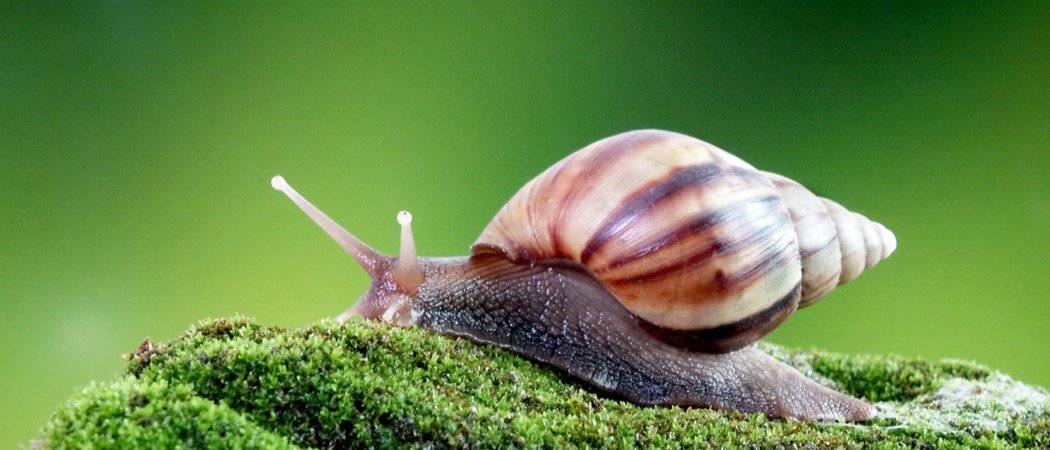
(a)(i) Name two external parts of the body of specimen E.
(ii) State five which could be derived from rearing specimen E.
(iii) Name three pests that could attack specimen E.
Specimen F (Bamboo)
:max_bytes(150000):strip_icc()/how-to-grow-golden-bamboo-5077107-hero-50c7b729a702412b8e106469b2431368.jpg)
(b)(i) State three uses of specimen F on an animal farm.
(ii) Give two disadvantages of using specimen F on an animal farm
Specimen E (land snail)
(a)(i) Two external parts of the body
- Shell.
- Muscular foot (also tentacles bearing the eyes, head, mouth and respiratory pore).
(a)(ii) Five benefits derived from rearing the snail
- Source of protein-rich meat.
- Source of income and employment.
- The slime is used for medicinal and cosmetic products.
- The shell serves as a source of calcium in livestock feed and for liming.
- Raw material for ornaments and decoration, and a source of foreign exchange.
(a)(iii) Three pests that could attack the snail
- Soldier ants.
- Rodents.
- Reptiles such as lizards and snakes (also birds, frogs, beetles and termites).
Specimen F (bamboo)
(b)(i) Three uses of bamboo on an animal farm
- Construction of animal houses, barns and cages.
- Making feeders and drinkers.
- Flooring (slatted floors), poles, fencing and paddocking.
(b)(ii) Two disadvantages of using bamboo on an animal farm
- It is easily attacked by termites and does not last long.
- Its sharp edges can injure the animals and farmers, and it harbours pests.
Antwortdetails
Specimen E (land snail)
(a)(i) Two external parts of the body
- Shell.
- Muscular foot (also tentacles bearing the eyes, head, mouth and respiratory pore).
(a)(ii) Five benefits derived from rearing the snail
- Source of protein-rich meat.
- Source of income and employment.
- The slime is used for medicinal and cosmetic products.
- The shell serves as a source of calcium in livestock feed and for liming.
- Raw material for ornaments and decoration, and a source of foreign exchange.
(a)(iii) Three pests that could attack the snail
- Soldier ants.
- Rodents.
- Reptiles such as lizards and snakes (also birds, frogs, beetles and termites).
Specimen F (bamboo)
(b)(i) Three uses of bamboo on an animal farm
- Construction of animal houses, barns and cages.
- Making feeders and drinkers.
- Flooring (slatted floors), poles, fencing and paddocking.
(b)(ii) Two disadvantages of using bamboo on an animal farm
- It is easily attacked by termites and does not last long.
- Its sharp edges can injure the animals and farmers, and it harbours pests.
Frage 3 Bericht

Specimen H (Plastic bucket)
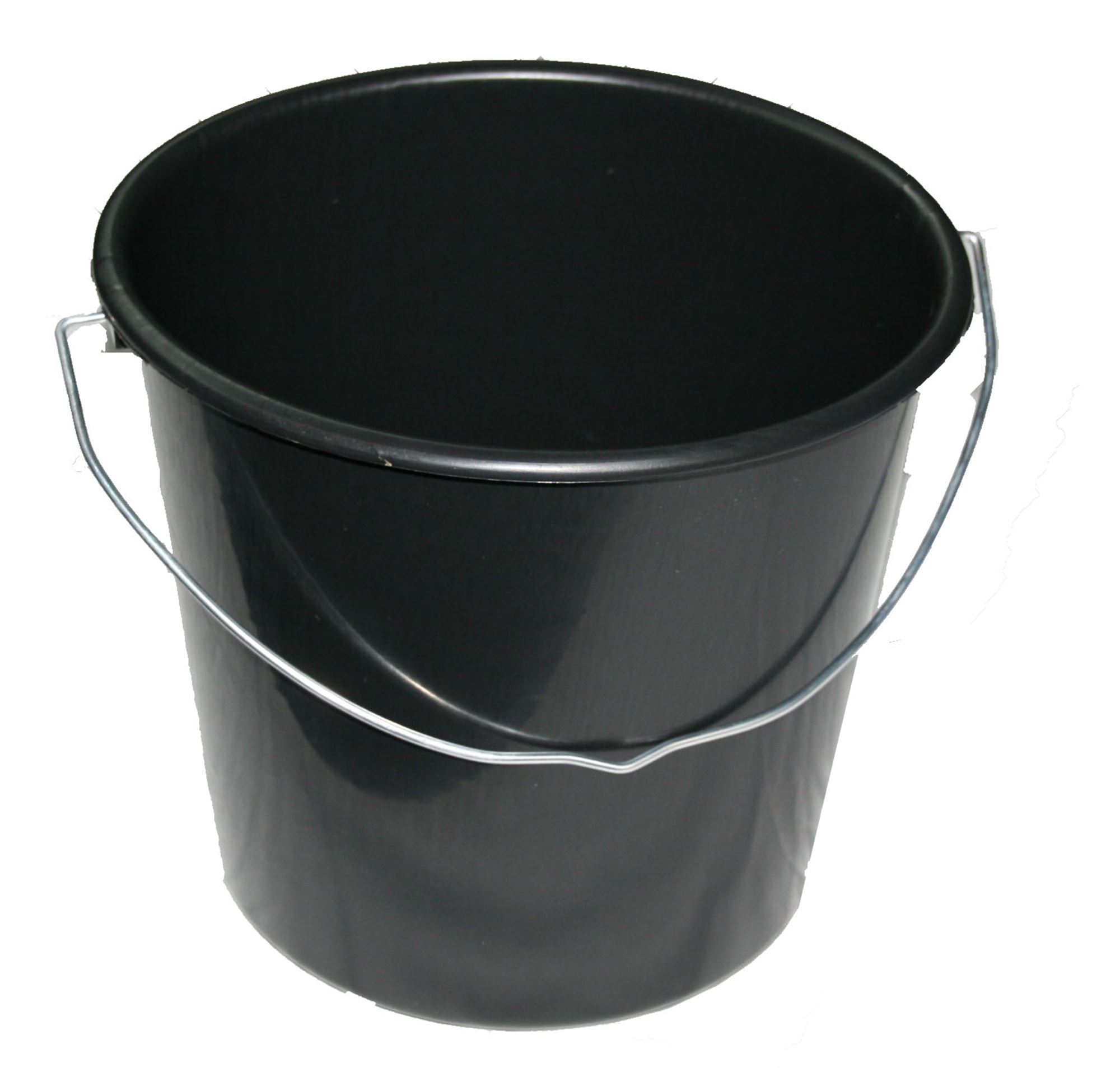
(a)(i) State five ways in which specimen H could be used in poultry production.
(ii) Mention two advantages of using specimen H in animal production
(iii) State two disadvantages of using specimen H in animal production.
Specimen I (Mercury in glass thermometer)

(b) Give one reason for using specimen I in the brooding of chicks
Specimen J (Ear tag)

(c)(i) State two ways in which the use of specimen J is important in animal production.
(ii) Name three farm animals on which specimen J could be used.
Specimen H (plastic bucket)
(a)(i) Five ways it could be used in poultry production
- For fetching and supplying water.
- For conveying and supplying feed.
- For collecting and packing eggs.
- For evacuating litter and disposing of waste.
- For storing feed, water or drugs and for mixing feed and medications.
(a)(ii) Two advantages of using it in animal production
- It is light, portable and easy to handle, and does not rust or corrode.
- It is cheap and readily available, and cannot be attacked by termites/insects.
(a)(iii) Two disadvantages of using it in animal production
- It can break or crack.
- It can catch fire and is affected by direct sunlight (and is non-biodegradable).
Specimen I (mercury-in-glass thermometer)
(b) One reason for using it in the brooding of chicks
- To check and monitor the temperature in the brooder house so that the correct warmth for the chicks is maintained.
Specimen J (ear tag)
(c)(i) Two ways in which its use is important in animal production
- For the identification of individual animals.
- For record keeping and to show ownership.
(c)(ii) Three farm animals on which it could be used
- Cattle
- Sheep
- Goat (also pig)
Antwortdetails
Specimen H (plastic bucket)
(a)(i) Five ways it could be used in poultry production
- For fetching and supplying water.
- For conveying and supplying feed.
- For collecting and packing eggs.
- For evacuating litter and disposing of waste.
- For storing feed, water or drugs and for mixing feed and medications.
(a)(ii) Two advantages of using it in animal production
- It is light, portable and easy to handle, and does not rust or corrode.
- It is cheap and readily available, and cannot be attacked by termites/insects.
(a)(iii) Two disadvantages of using it in animal production
- It can break or crack.
- It can catch fire and is affected by direct sunlight (and is non-biodegradable).
Specimen I (mercury-in-glass thermometer)
(b) One reason for using it in the brooding of chicks
- To check and monitor the temperature in the brooder house so that the correct warmth for the chicks is maintained.
Specimen J (ear tag)
(c)(i) Two ways in which its use is important in animal production
- For the identification of individual animals.
- For record keeping and to show ownership.
(c)(ii) Three farm animals on which it could be used
- Cattle
- Sheep
- Goat (also pig)
Frage 4 Bericht
Specimen A (Dry groundnut haulm)

(a)i. Outline the procedure for obtaining specimen A.
(ii) State three benefits that farm animals could derive from feeding on specimen A.
Specimen B (Guinea grass)
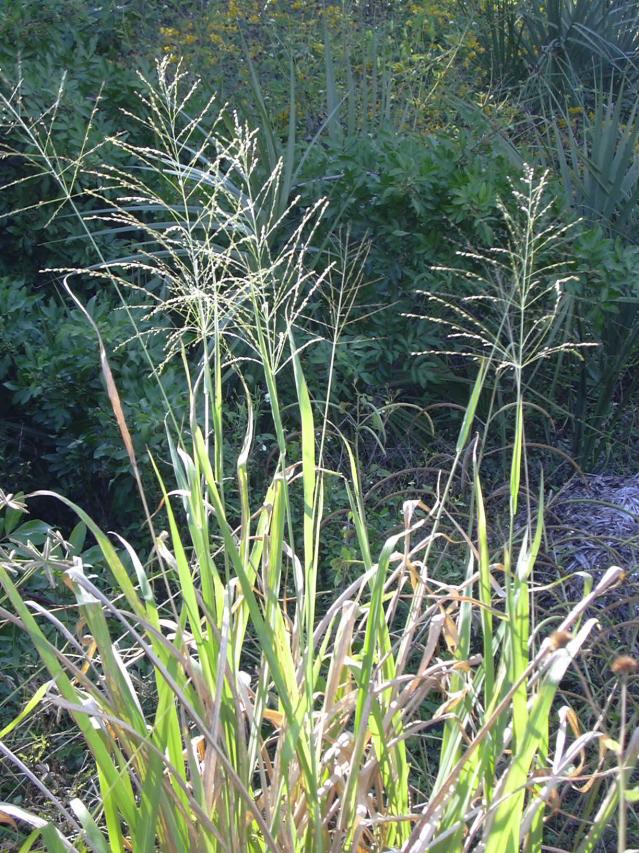
(b)(i) Mention two each that could be used to propagate specimen B;
(ii) preserve specimen B.
Specimen C (Kitchen knife)
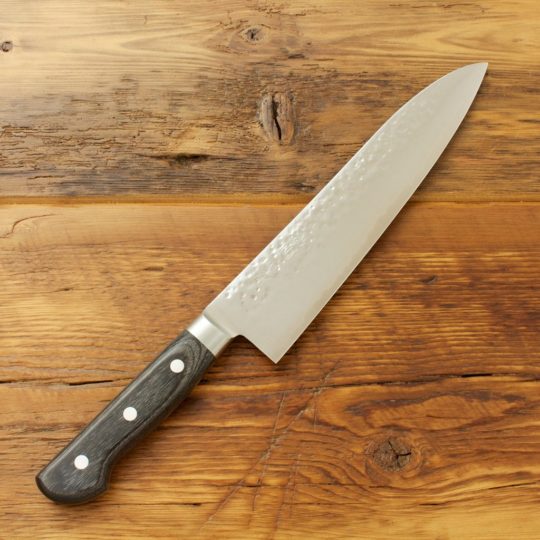
(c) State four of specimen C in animal production
Specimen A - Dry groundnut haulm is the dried above-ground part of the groundnut plant (the stems, vines and leaves) that remains after the pods have been removed. A labelled diagram of the plant it comes from:
(a)(i) Procedure for obtaining Specimen A.
- Harvest the mature groundnut crop by uprooting the whole plants from the field.
- Detach the pods (nuts) from the plants by picking or threshing, leaving the stems, vines and leaves.
- Spread the remaining haulms in the open to dry in the sun (or under shade for slower, greener drying).
- Turn the material over at intervals so that it dries evenly and does not rot or grow mould.
- When it is properly dry, cut or chop it into smaller pieces.
- Pack it into jute bags or a suitable container and store in a dry place until it is needed as feed.
(a)(ii) Three benefits farm animals derive from feeding on Specimen A.
- It is rich in crude protein (groundnut is a legume), which supports growth and body building.
- It is high in fibre (roughage), which promotes rumination and healthy digestion in ruminants.
- It is readily available and stores well, providing valuable fodder during the dry season when green pasture is scarce.
Specimen B - Guinea grass (Panicum maximum), a tall, tufted forage grass.
(b)(i) Two materials used to propagate Specimen B.
- Seeds.
- Vegetative planting material: root or stem splits (slips) taken from the crown or rooted stem cuttings.
(b)(ii) Two methods used to preserve Specimen B.
- Hay making: cutting the grass and drying it to a low moisture content for storage.
- Silage making: chopping the fresh grass and ensiling it under airtight (anaerobic) conditions in a silo.
Specimen C - Kitchen knife, a hand-held cutting tool.
(c) Four uses of Specimen C in animal production.
- Cutting and chopping forage or fodder into smaller pieces for feeding.
- Slaughtering and dressing (skinning and cutting up) farm animals during processing.
- Castration and other minor surgical operations, and cutting the umbilical cord of newborn animals.
- Cutting ropes and opening feed bags during routine handling of animals.
Antwortdetails
Specimen A - Dry groundnut haulm is the dried above-ground part of the groundnut plant (the stems, vines and leaves) that remains after the pods have been removed. A labelled diagram of the plant it comes from:
(a)(i) Procedure for obtaining Specimen A.
- Harvest the mature groundnut crop by uprooting the whole plants from the field.
- Detach the pods (nuts) from the plants by picking or threshing, leaving the stems, vines and leaves.
- Spread the remaining haulms in the open to dry in the sun (or under shade for slower, greener drying).
- Turn the material over at intervals so that it dries evenly and does not rot or grow mould.
- When it is properly dry, cut or chop it into smaller pieces.
- Pack it into jute bags or a suitable container and store in a dry place until it is needed as feed.
(a)(ii) Three benefits farm animals derive from feeding on Specimen A.
- It is rich in crude protein (groundnut is a legume), which supports growth and body building.
- It is high in fibre (roughage), which promotes rumination and healthy digestion in ruminants.
- It is readily available and stores well, providing valuable fodder during the dry season when green pasture is scarce.
Specimen B - Guinea grass (Panicum maximum), a tall, tufted forage grass.
(b)(i) Two materials used to propagate Specimen B.
- Seeds.
- Vegetative planting material: root or stem splits (slips) taken from the crown or rooted stem cuttings.
(b)(ii) Two methods used to preserve Specimen B.
- Hay making: cutting the grass and drying it to a low moisture content for storage.
- Silage making: chopping the fresh grass and ensiling it under airtight (anaerobic) conditions in a silo.
Specimen C - Kitchen knife, a hand-held cutting tool.
(c) Four uses of Specimen C in animal production.
- Cutting and chopping forage or fodder into smaller pieces for feeding.
- Slaughtering and dressing (skinning and cutting up) farm animals during processing.
- Castration and other minor surgical operations, and cutting the umbilical cord of newborn animals.
- Cutting ropes and opening feed bags during routine handling of animals.


