Specimen A (Dry groundnut haulm) (a)i. Outline the procedure for obtaining specimen A. (ii) State three benefits that farm animals could derive from feeding...
Question 1 Report
Specimen A (Dry groundnut haulm)

(a)i. Outline the procedure for obtaining specimen A.
(ii) State three benefits that farm animals could derive from feeding on specimen A.
Specimen B (Guinea grass)
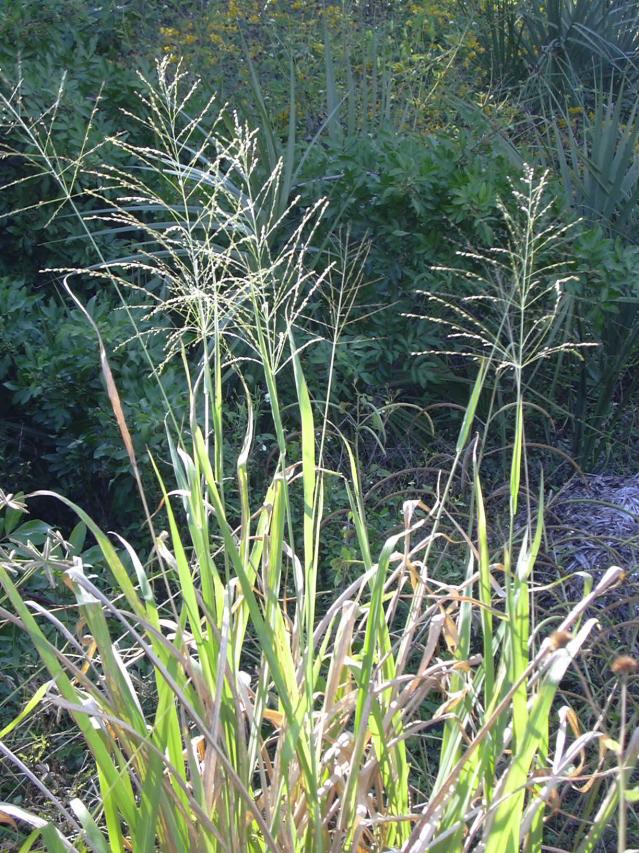
(b)(i) Mention two each that could be used to propagate specimen B;
(ii) preserve specimen B.
Specimen C (Kitchen knife)
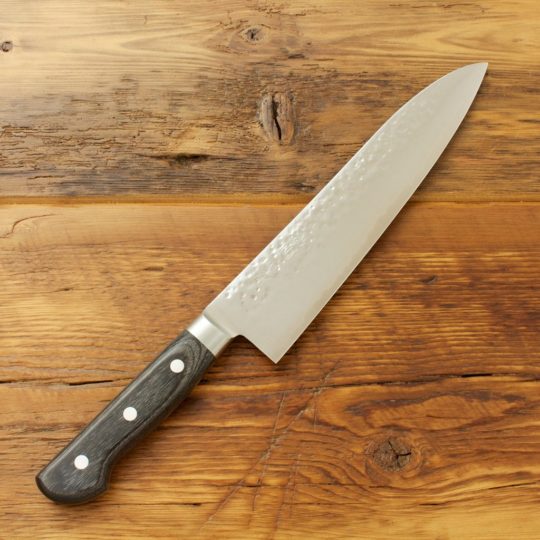
(c) State four of specimen C in animal production
Answer Details
Specimen A - Dry groundnut haulm is the dried above-ground part of the groundnut plant (the stems, vines and leaves) that remains after the pods have been removed. A labelled diagram of the plant it comes from:
(a)(i) Procedure for obtaining Specimen A.
- Harvest the mature groundnut crop by uprooting the whole plants from the field.
- Detach the pods (nuts) from the plants by picking or threshing, leaving the stems, vines and leaves.
- Spread the remaining haulms in the open to dry in the sun (or under shade for slower, greener drying).
- Turn the material over at intervals so that it dries evenly and does not rot or grow mould.
- When it is properly dry, cut or chop it into smaller pieces.
- Pack it into jute bags or a suitable container and store in a dry place until it is needed as feed.
(a)(ii) Three benefits farm animals derive from feeding on Specimen A.
- It is rich in crude protein (groundnut is a legume), which supports growth and body building.
- It is high in fibre (roughage), which promotes rumination and healthy digestion in ruminants.
- It is readily available and stores well, providing valuable fodder during the dry season when green pasture is scarce.
Specimen B - Guinea grass (Panicum maximum), a tall, tufted forage grass.
(b)(i) Two materials used to propagate Specimen B.
- Seeds.
- Vegetative planting material: root or stem splits (slips) taken from the crown or rooted stem cuttings.
(b)(ii) Two methods used to preserve Specimen B.
- Hay making: cutting the grass and drying it to a low moisture content for storage.
- Silage making: chopping the fresh grass and ensiling it under airtight (anaerobic) conditions in a silo.
Specimen C - Kitchen knife, a hand-held cutting tool.
(c) Four uses of Specimen C in animal production.
- Cutting and chopping forage or fodder into smaller pieces for feeding.
- Slaughtering and dressing (skinning and cutting up) farm animals during processing.
- Castration and other minor surgical operations, and cutting the umbilical cord of newborn animals.
- Cutting ropes and opening feed bags during routine handling of animals.
Download The App On Google Playstore
Everything you need to excel in your exams
