Poultry Production
Akopọ
Walk through a poultry market in Kano and you will see white Leghorns destined for egg trays, heavy white Broilers destined for the pot, and small, tough local chickens that seem to need almost nothing to survive. Three different birds, three different jobs, and behind each one a farmer who chose that breed, that housing system and that feeding routine on purpose. Poultry production is the single most widely practised branch of animal husbandry in Nigeria, from the backyard flock scratching around a compound in Enugu to the thousand-bird deep-litter house outside Ibadan.
In this lesson you will learn to sort poultry into its classes by production purpose, name the breeds a Nigerian farmer actually keeps and what each is best at, compare the three systems used to house and manage a flock, follow an egg from the nest through incubation to hatch, track a chick through brooding, growing and laying, and finish at the point of sale, where a live bird becomes dressed meat or a graded egg.
Awọn Afojusun
- Classify poultry into the various classes
- State the common breeds of poultry reared in Nigeria
- Distinguish between the systems of poultry management
- Explain the process of incubation in poultry production
- Explain the management practices in poultry production
- Explain the methods of processing poultry products
Akọ̀wé Ẹ̀kọ́
Forúkọsílẹ̀ láti Tẹ̀síwájú
Ṣẹda àkọọlẹ ọfẹ kan láti wọlé sí gbogbo àwọn oríṣìíríṣìí ìkànsí ikẹ́kọ̀ọ́, àwọn ìbéèrè ìdánwò, àti láti tọpa ìlọsíwájú rẹ.
Ìdánwò Ẹ̀kọ́
Oriire fun ipari ẹkọ lori Poultry Production. Ni bayi ti o ti ṣawari naa awọn imọran bọtini ati awọn imọran, o to akoko lati fi imọ rẹ si idanwo. Ẹka yii nfunni ni ọpọlọpọ awọn adaṣe awọn ibeere ti a ṣe lati fun oye rẹ lokun ati ṣe iranlọwọ fun ọ lati ṣe iwọn oye ohun elo naa.
Iwọ yoo pade adalu awọn iru ibeere, pẹlu awọn ibeere olumulo pupọ, awọn ibeere idahun kukuru, ati awọn ibeere iwe kikọ. Gbogbo ibeere kọọkan ni a ṣe pẹlu iṣaro lati ṣe ayẹwo awọn ẹya oriṣiriṣi ti imọ rẹ ati awọn ogbon ironu pataki.
Lo ise abala yii gege bi anfaani lati mu oye re lori koko-ọrọ naa lagbara ati lati ṣe idanimọ eyikeyi agbegbe ti o le nilo afikun ikẹkọ. Maṣe jẹ ki awọn italaya eyikeyi ti o ba pade da ọ lójú; dipo, wo wọn gẹgẹ bi awọn anfaani fun idagbasoke ati ilọsiwaju.
- Poultry reared mainly for egg production are classified as: A. Broilers B. Layers C. Dual-purpose birds D. Table birds Answer: B
- Which of these breeds is best known as a high-yielding egg-type breed with white plumage? A. Rhode Island Red B. Broiler C. White Leghorn D. Local chicken Answer: C
- The average incubation period for chicken eggs is: A. 14 days B. 18 days C. 21 days D. 28 days Answer: C
- In which system of poultry management are birds allowed to roam freely in search of food with little or no housing? A. Intensive system B. Semi-intensive system C. Extensive/free-range system D. Battery cage system Answer: C
- Dressing percentage in poultry processing is calculated as: A. Live weight divided by dressed weight B. Dressed weight divided by live weight, multiplied by 100 C. Feed intake divided by body weight D. Egg weight divided by shell weight Answer: B
Forúkọsílẹ̀ láti Tẹ̀síwájú
Ṣẹda àkọọlẹ ọfẹ kan láti wọlé sí gbogbo àwọn oríṣìíríṣìí ìkànsí ikẹ́kọ̀ọ́, àwọn ìbéèrè ìdánwò, àti láti tọpa ìlọsíwájú rẹ.
Forúkọsílẹ̀ láti Tẹ̀síwájú
Ṣẹda àkọọlẹ ọfẹ kan láti wọlé sí gbogbo àwọn oríṣìíríṣìí ìkànsí ikẹ́kọ̀ọ́, àwọn ìbéèrè ìdánwò, àti láti tọpa ìlọsíwájú rẹ.
Awọn Iwe Itọsọna Ti a Gba Nimọran

Àwọn Ìbéèrè Tó Ti Kọjá
Ṣe o n ronu ohun ti awọn ibeere atijọ fun koko-ọrọ yii dabi? Eyi ni nọmba awọn ibeere nipa Poultry Production lati awọn ọdun ti o kọja.
Ibeere 1 Ìròyìn

Specimen H (Plastic bucket)
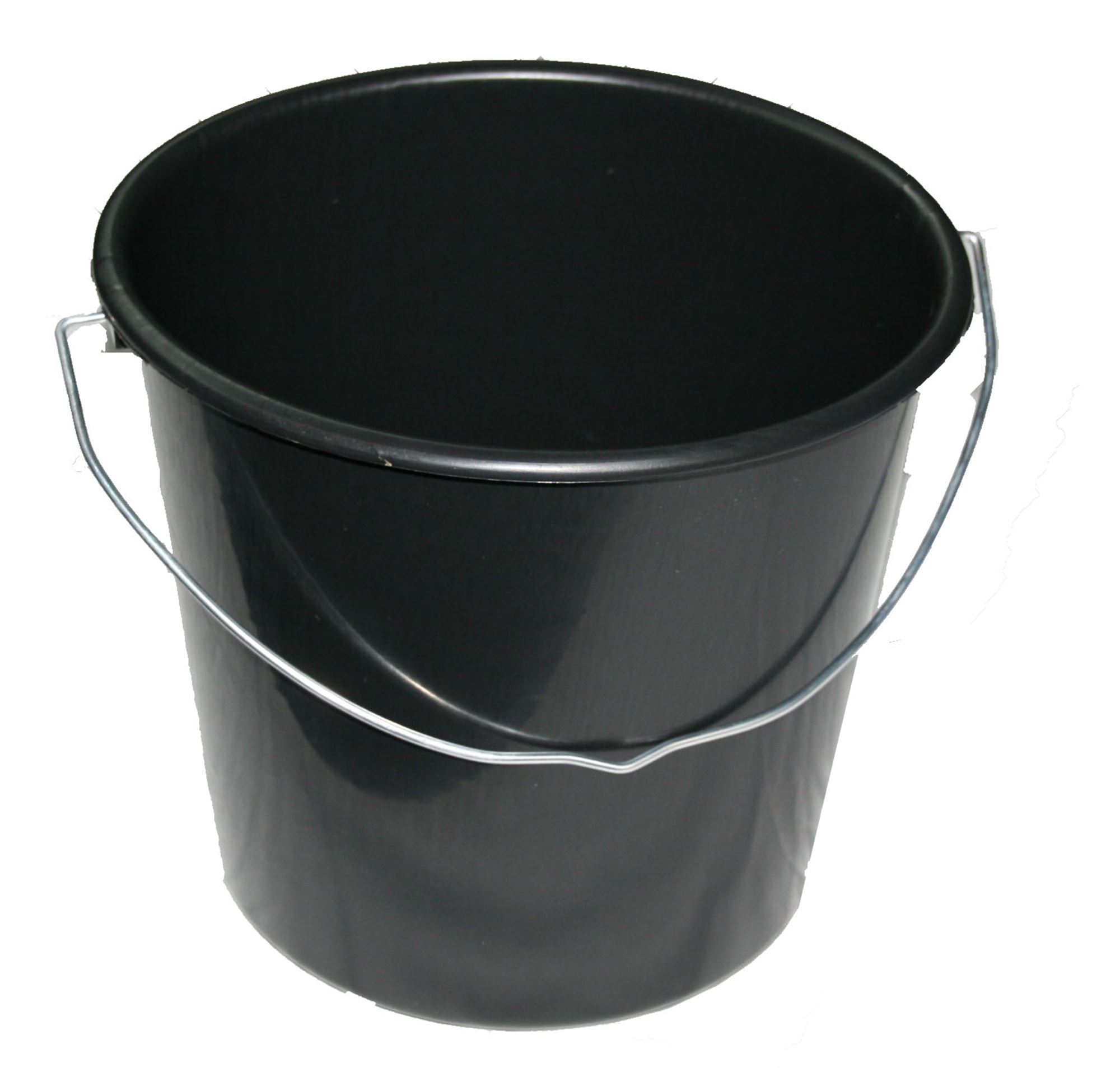
(a)(i) State five ways in which specimen H could be used in poultry production.
(ii) Mention two advantages of using specimen H in animal production
(iii) State two disadvantages of using specimen H in animal production.
Specimen I (Mercury in glass thermometer)

(b) Give one reason for using specimen I in the brooding of chicks
Specimen J (Ear tag)

(c)(i) State two ways in which the use of specimen J is important in animal production.
(ii) Name three farm animals on which specimen J could be used.
Forúkọsílẹ̀ láti Tẹ̀síwájú
Ṣẹda àkọọlẹ ọfẹ kan láti wọlé sí gbogbo àwọn oríṣìíríṣìí ìkànsí ikẹ́kọ̀ọ́, àwọn ìbéèrè ìdánwò, àti láti tọpa ìlọsíwájú rẹ.