The six areas of study in IGCSE 4FA1 Areas of Study for Fine Art are not six separate subjects. They are six lenses through which you can develop and present your creative work, and understanding what each demands is the first step toward selecting the right one.
The Edexcel IGCSE Art and Design: Fine Art Areas of Study for Fine Art section of the specification identifies six practical disciplines: Drawing, Painting, Printing, Sculpture, Mixed media, and Lens-/light-based media. Each has its own materials, techniques and expressive possibilities. You are not required to work across all six in your final submission, but you are expected to explore more than one during the course, and your supporting studies should demonstrate a breadth of experimentation.
These Edexcel IGCSE Art and Design: Fine Art notes examine each area of study in turn. For each, the logic is the same: what the specification expects, what materials and techniques are relevant, how to approach it effectively, and where students typically go wrong. The aim of this article is to help you make an informed decision about which areas to focus on, based on your strengths, your theme and the resources available to you.
Drawing
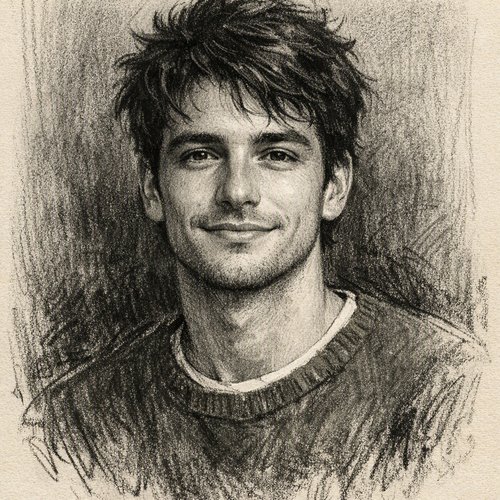
Drawing is the most fundamental area of study and the one that underpins all the others. The specification expects you to use expressive and descriptive mark-making to record and communicate ideas, and to work across a range of drawing materials including graphite, pastel, charcoal, ink, chalk, digital drawing applications and various drawing surfaces.
The analytical challenge with drawing is that it is both a skill and a language. At the skill level, you need to be able to observe accurately and translate three-dimensional reality onto a two-dimensional surface. At the language level, you need to understand how the quality of a mark, the weight of a line, and the density of hatching all carry meaning.
| Drawing type | Purpose | Example application |
|---|---|---|
| Observational | Accurate recording from primary sources | Still life studies, architectural details, natural forms |
| Expressive | Communicating mood, energy or emotion | Gesture drawing, abstract mark-making, large-scale charcoal work |
| Developmental | Working through ideas and compositions | Thumbnail sketches, compositional studies, preparatory layouts |
| Technical | Precise recording of detail | Fine pen studies, botanical illustration, cross-section diagrams |
The strongest portfolios demonstrate drawing that serves the project rather than existing for its own sake. A detailed observational study of a leaf is valuable if the project explores natural forms. It is less relevant if the project is about urban decay. Every drawing should connect logically to your theme and to the development of your ideas.
Painting
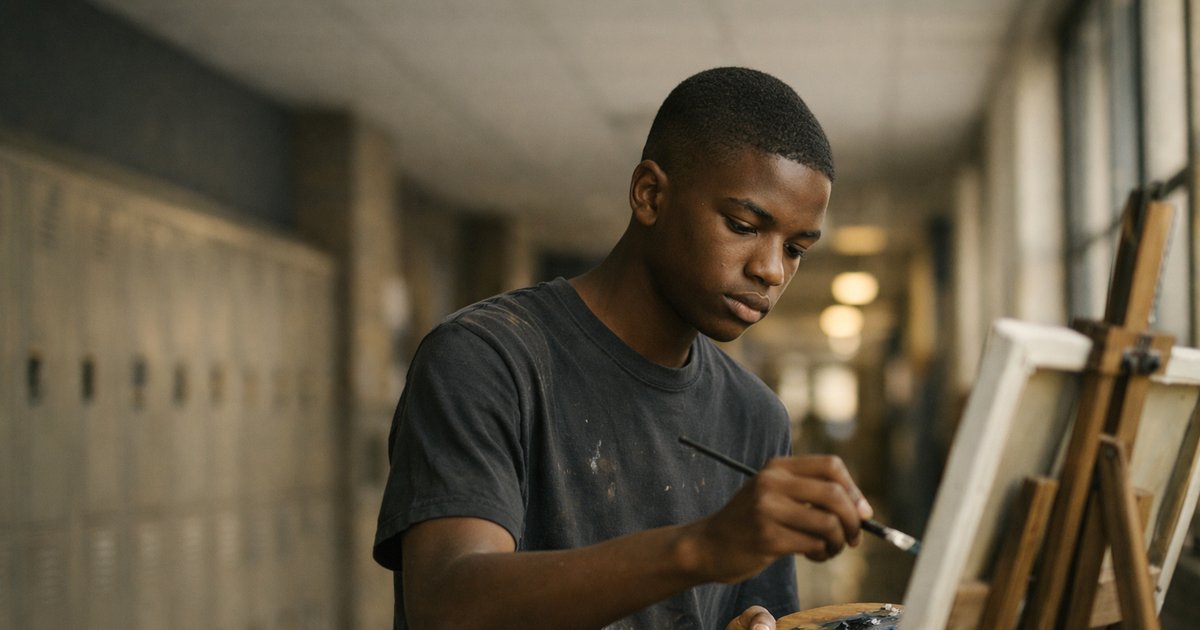
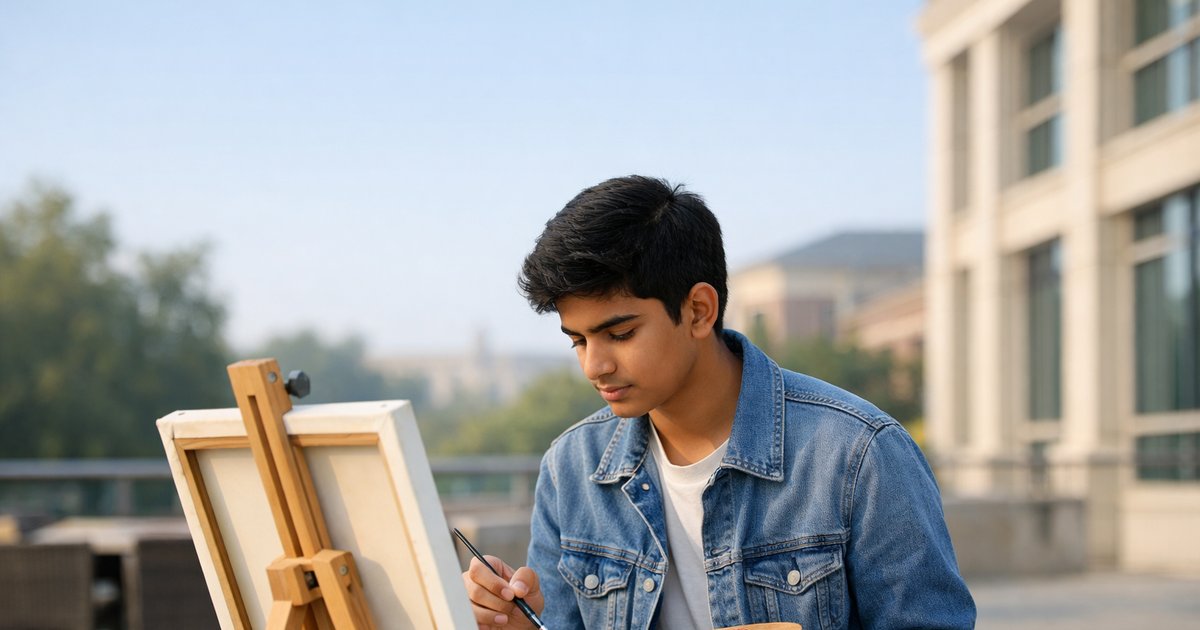
Painting extends the vocabulary of drawing into colour, surface and scale. The specification lists gouache, watercolour, acrylic, oil, dyes and digital painting applications as relevant media. As with drawing, the expectation is expressive and descriptive mark-making with a range of tools, surfaces and techniques.
The logical framework for approaching painting is to think in layers. First, understand your medium: watercolour rewards a light touch and works from light to dark; acrylic is versatile, fast-drying and opaque; oil allows slow, layered building of colour and texture. Second, plan your composition before applying paint. Third, work with intention at every stage, each layer of colour should serve the overall effect.
A common problem-solving scenario in painting is managing the relationship between control and expression. Overworking a painting kills its spontaneity; underworking it looks unfinished. The solution is to set clear stopping points in advance. Decide before you begin what the painting needs to achieve, and stop when it achieves it.
Printing
Printing involves creating surfaces from which an image can be transferred. The specification lists linoleum, screen, intaglio, relief, lithography, drypoint, etching and monoprint among the techniques, using a range of inks and printing surfaces.
From an analytical perspective, printing is distinctive because of its reproducibility and the relationship between positive and negative space. When you carve a linocut, you are removing material to create the image; you must think in reverse. When you pull a monoprint, each impression is unique despite being produced from the same plate. These processes require a different kind of planning from direct mark-making.
- Relief printing (lino, woodcut): You carve away the areas that will remain unprinted. Bold, graphic results. Strong for pattern, contrast and repetition.
- Intaglio (etching, drypoint): Lines are incised into a plate and hold ink. Capable of fine detail and tonal variation.
- Screen printing: Ink is pushed through a stencil on a mesh screen. Good for flat colour, layered compositions and editions.
- Monoprint: A one-off print pulled from an inked surface. Combines the spontaneity of painting with the textures unique to print.
Printing processes often require specialist equipment, so your ability to explore this area may depend on what your centre provides. If facilities are limited, monoprinting is achievable with basic materials and still demonstrates the key principles of ink transfer and surface manipulation.
Sculpture
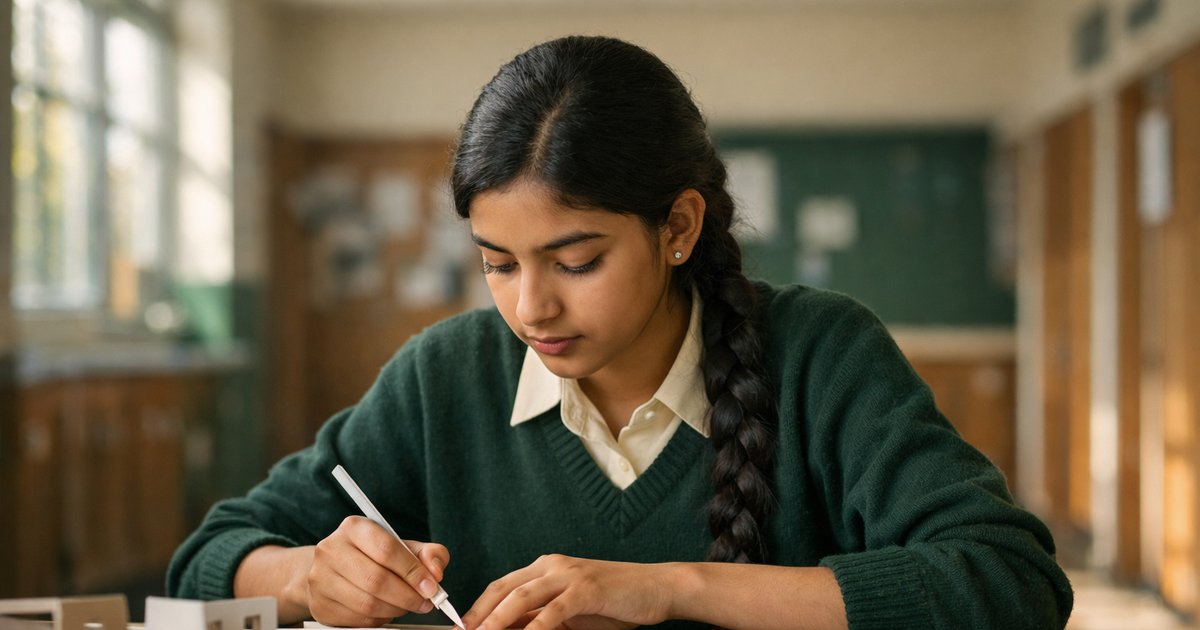
Sculpture is the creation of form through the manipulation of three-dimensional materials. The specification lists carving, modelling, joining, constructing and reducing as techniques, along with the transposition of two-dimensional images into three-dimensional forms.
The logical structure of sculpture differs from two-dimensional work because you must account for multiple viewpoints, structural integrity and the physical properties of your materials. A clay model responds to pressure and gravity; a constructed form in wire or card must balance and hold together; a carved form is subtractive, each cut removes material permanently.
For the IGCSE submission, sculptural work presents a practical challenge: you submit photographs of three-dimensional work on your A2 sheets. This means you need to photograph your sculpture well, from multiple angles, with good lighting that shows form and surface. Poor photography can undermine strong sculptural work, so plan your documentation carefully.
Mixed media
Mixed media involves combining and manipulating two-dimensional and three-dimensional media to communicate ideas. The specification lists wet and dry media, collage, objects, textiles, two- and three-dimensional elements, and digital and non-digital applications.
The reasoning behind mixed media as an area of study is that combining materials can produce effects that no single medium achieves alone. A collage of photographs overlaid with ink drawing and textile elements creates layers of meaning that a painting or drawing alone would not. The challenge is cohesion: mixed media work that looks like a random collection of materials rather than a unified composition will not score well.
Effective mixed media work starts with a clear intention. Ask: why am I combining these materials? What does the collage element add that drawing alone could not? What does the three-dimensional element contribute that a flat image would miss? If you can answer those questions, the combination will feel purposeful rather than arbitrary.
Lens-/light-based media
This area of study covers digital, film and video work, including elements such as lighting, time, sound, editing, space and composition. Techniques include montage, mixed media installation, animation, studio and location photography, and pre- and post-production manipulation.
From a problem-solving standpoint, lens-based media requires the same compositional thinking as drawing or painting, but adds the dimensions of time, light quality and post-production. A photograph is not simply a record of what was in front of the camera; it is a deliberate composition involving framing, depth of field, exposure and timing.
Students who choose this area of study should demonstrate understanding of both the technical and expressive possibilities of the medium. This means going beyond snapshots to produce images that show control of composition, lighting and subject matter. Post-production work (editing, manipulation, montage) should be visible in the supporting studies, with evidence of experimentation and refinement.
Choosing your areas of study
The decision of which areas to focus on should follow a logical process. First, identify which media you work most effectively in, the ones where your skills allow you to express your ideas with the most control and impact. Second, consider your theme: some subjects lend themselves naturally to particular media. Third, evaluate the resources available to you, as some areas of study require equipment or materials that may not be accessible in every setting.
Most strong portfolios focus on two or three areas of study while showing evidence of experimentation in others. A student whose strength is painting might centre their final outcomes on painted work while using drawing for development, printmaking for experimentation, and photography for recording source material. The areas of study for fine art Edexcel IGCSE framework is flexible enough to allow this kind of personalised approach.
Common mistakes across all areas
- Choosing an area of study because it seems easy rather than because it suits the theme. Every area of study demands skill and intention. A poorly conceived photograph is no easier to produce well than a poorly conceived painting.
- Inconsistent quality between supporting studies and final outcome. If your sketchbook experiments are rough and careless but your final piece is polished, the disconnect raises questions about authenticity. The quality of thinking should be consistent throughout.
- Ignoring the specification's emphasis on range. Submitting work in only one medium, with no evidence of experimentation in others, limits your ability to demonstrate breadth of understanding. Even if your final outcome is a single painting, your supporting studies should show engagement with other media.
- Poor documentation of three-dimensional or lens-based work. Sculpture, installation and photography must be presented on A2 sheets. The quality of that presentation matters. Photograph three-dimensional work from multiple angles with consistent lighting.
Self-check questions
Use these Edexcel IGCSE Art and Design: Fine Art practice questions to evaluate your engagement with the areas of study.
- Which two areas of study are you most confident in? For each, can you name three specific techniques you have used and explain what effect each produced?
- Have you experimented with at least one area of study that sits outside your comfort zone? What did you learn from that experiment, even if the result was not successful?
- For your chosen final outcome, can you explain why the medium you selected is the best vehicle for your idea? What would be lost if you used a different medium?
- If your work includes three-dimensional or lens-based elements, have you documented them with the same care and compositional awareness as your two-dimensional work?
- Look at one piece from each area of study you have explored. Does each demonstrate understanding of that medium's specific properties and possibilities, or could the same idea have been executed identically in any other medium?
The Edexcel IGCSE Art and Design: Fine Art explained through the areas of study is, at its core, about demonstrating that you can select appropriate media and use them with skill and purpose. The specification gives you six disciplines to choose from; the exam assesses how effectively you deploy them in service of your ideas. Build depth in your strongest areas, show breadth through experimentation, and make sure every material choice is deliberate.
For additional Edexcel IGCSE Art and Design: Fine Art revision notes and structured topic resources, visit the Green Bridge CBT platform to support your preparation with revision notes across each area of study.

Edexcel IGCSE Art and Design: Fine Art areas of study for fine art explained across all six disciplines with practical guidance and self-check questions.


Maoni