First things first: excretion is not what you think it is
Most students hear the word "excretion" and immediately think of going to the toilet. That is one of the most common mistakes in the entire IGCSE Biology course, so let's clear it up right away. Excretion is the removal of waste products made by chemical reactions inside your cells (metabolism) and substances that are in excess of what your body needs. It is not the same as egestion, which is the removal of undigested food from the gut. The food that leaves your body as faeces was never absorbed into your cells, so it was never part of your metabolism. Excretion deals with the leftovers of reactions that actually happened inside your body.
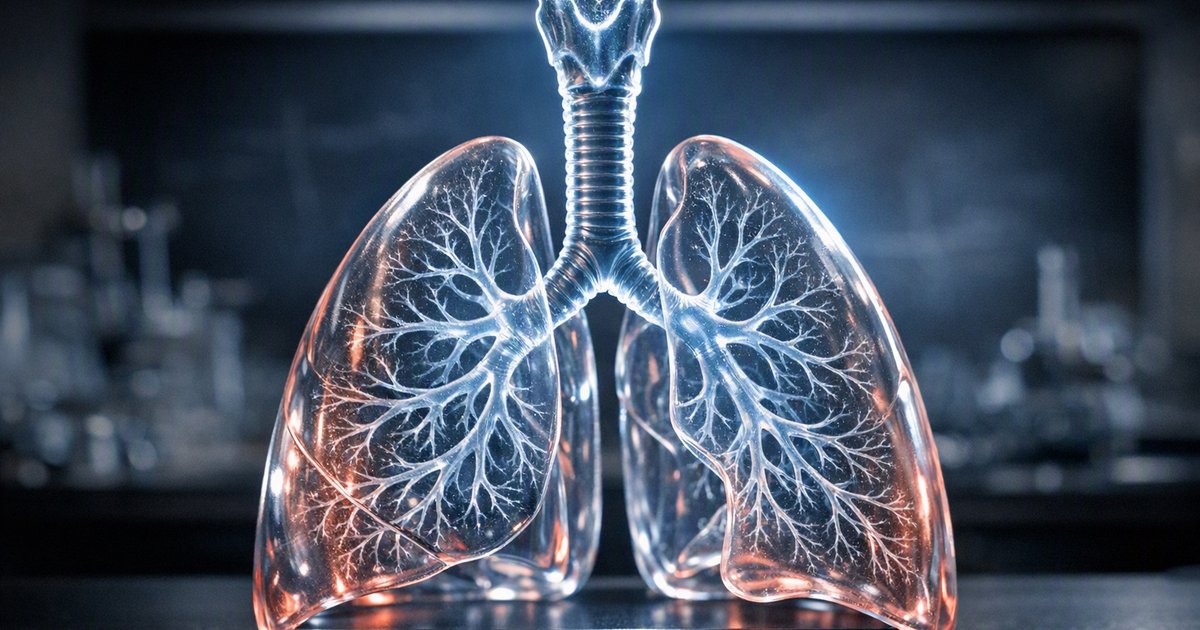
Your body produces two main excretory waste products. The first is carbon dioxide, which is made during aerobic respiration in every cell. Carbon dioxide is transported in the blood to the lungs and excreted when you breathe out. The second is urea, which is made in the liver when excess amino acids are broken down (a process called deamination). Urea is transported in the blood to the kidneys, where it is removed and leaves the body in urine. The kidneys also excrete excess water and excess ions, keeping the internal environment balanced.
The urinary system: knowing the parts
For your IGCSE exam, you need to identify the following structures in a diagram of the urinary system:
- Kidneys - two bean-shaped organs in the lower back that filter blood and produce urine
- Ureters - tubes that carry urine from each kidney down to the bladder
- Bladder - a muscular sac that stores urine until it is released
- Urethra - the tube through which urine leaves the body
Extended: inside the kidney
If you are sitting the Extended paper, you also need to identify two regions inside the kidney when you see a cross-section diagram:
- Cortex - the outer region, where filtration begins
- Medulla - the inner region, where most reabsorption of water takes place
Think of it like a walnut: the cortex is the bumpy outer shell, and the medulla is the softer inner part. The renal pelvis sits at the centre, collecting the finished urine before it drains into the ureter.
Extended: how a nephron works
Each kidney contains around a million tiny filtering units called nephrons. The nephron is where the actual work of excretion happens, and understanding its three-step process is one of the most valuable things you can do for your exam preparation. Let's walk through it together.
Step 1: filtration at the glomerulus
Blood arrives at the kidney through the renal artery. Inside the cortex, each nephron has a tiny ball of capillaries called the glomerulus, which sits inside a cup-shaped structure called Bowman's capsule. Blood pressure forces small molecules out of the blood and into Bowman's capsule. The molecules that get pushed through include:
- Water
- Glucose
- Urea
- Ions (such as sodium and chloride)
Large molecules like proteins and blood cells are too big to pass through the capillary walls, so they stay in the blood. The liquid that collects in Bowman's capsule is called the filtrate. Think of it like a sieve: everything small enough passes through, and everything too large stays behind.
Step 2: reabsorption
The filtrate flows along the nephron tubule, and the body reclaims the useful substances it doesn't want to lose. Here is what gets reabsorbed:
| Substance | How much is reabsorbed | Why |
|---|---|---|
| Glucose | All of it (100%) | Glucose is a vital energy source and should not be lost in urine |
| Water | Most of it | The body needs to conserve water to maintain blood volume and cell function |
| Ions | Some of them | The body keeps what it needs and excretes the excess to maintain balance |
Urea is not reabsorbed. It is a toxic waste product, and the whole point of the kidney is to get rid of it.
Step 3: urine formation
Whatever remains in the tubule after reabsorption becomes urine. Urine contains:
- Urea
- Excess water
- Excess ions
The urine drains from the nephrons into the renal pelvis, then down the ureter to the bladder, where it is stored until you are ready to release it.
Extended: ADH and water balance
Your body needs to keep the water content of your blood within a narrow range. Too much water and your cells could swell; too little and they could shrink. The hormone ADH (antidiuretic hormone) controls how much water the kidneys reabsorb.
Here is how it works:
- When you are dehydrated (not enough water in the blood), the pituitary gland in your brain releases more ADH.
- ADH travels in the blood to the kidneys, where it makes the walls of the nephron tubules more permeable to water.
- More water is reabsorbed back into the blood.
- You produce a small volume of concentrated (dark yellow) urine.
When you have plenty of water in your blood (for example, after drinking a large glass of water):
- The pituitary gland releases less ADH.
- The nephron tubule walls become less permeable to water.
- Less water is reabsorbed.
- You produce a large volume of dilute (pale or clear) urine.
When kidneys fail: dialysis and transplants
If both kidneys stop working properly (kidney failure), waste products like urea build up in the blood, which can be fatal. There are two main treatments: dialysis and kidney transplant.
How dialysis works
In dialysis, the patient's blood is passed through a machine that acts as an artificial kidney. The blood flows on one side of a partially permeable membrane, and a special dialysis fluid flows on the other side. Urea and excess ions diffuse from the blood (where their concentration is high) across the membrane into the dialysis fluid (where their concentration is low). This is diffusion down a concentration gradient, exactly the same principle you studied in the movement into and out of cells topic.
The dialysis fluid is carefully designed so that it contains the normal concentration of glucose and useful ions. This means those substances do not diffuse out of the blood, because there is no concentration gradient for them. Only the waste products and excess substances are removed.
Dialysis vs kidney transplant
| Factor | Dialysis | Kidney transplant |
|---|---|---|
| Availability | Widely available; no donor needed | Requires a matching donor (long waiting lists) |
| Time commitment | Several sessions per week, each lasting hours | One operation, then recovery period |
| Lifestyle impact | Restricts daily life; diet restrictions; tied to treatment schedule | Much more freedom after recovery; closer to normal life |
| Risks | Risk of infection at access site; fatigue after sessions | Major surgery risks; risk of organ rejection |
| Medication | None specifically for the treatment | Must take immunosuppressant drugs for life to prevent rejection |
| Long-term cost | Ongoing and expensive over a lifetime | High initial cost but cheaper long-term |
| Effectiveness | Manages the condition but does not cure it | Can restore near-normal kidney function if successful |
Common exam mistakes
- Confusing excretion with egestion. Excretion removes metabolic waste (CO2 from respiration, urea from deamination). Egestion removes undigested food from the gut. They are different processes.
- Saying the kidney "filters out urea." The glomerulus filters everything small - water, glucose, urea, and ions. It is not selective at this stage. The selectivity comes during reabsorption, when glucose and most water are taken back. Urea is simply left behind.
- Forgetting that glucose is fully reabsorbed. Healthy urine should contain no glucose. If glucose appears in the urine, it may indicate diabetes - but for your IGCSE exam, the standard answer is that all glucose is reabsorbed.
- Getting ADH backwards. More ADH means more water reabsorbed and less urine produced (concentrated urine). Less ADH means less water reabsorbed and more urine produced (dilute urine). Students often reverse this.
- Saying the dialysis membrane "filters" the blood. It doesn't filter in the way the glomerulus does. Substances move across the membrane by diffusion, down their concentration gradients. Use the correct term: diffusion, not filtration.
- Writing that urea is "poisonous." The more precise term is "toxic." At high concentrations, urea disrupts cell function. Examiners prefer precise language.
Self-check questions
- Define excretion and explain how it differs from egestion.
- Name two excretory organs and state which waste product each one removes.
- Describe the three main stages of urine formation in a nephron: filtration, reabsorption, and what remains.
- Explain what happens to the volume and concentration of urine when ADH levels increase, and why.
- Compare dialysis and kidney transplant by giving two advantages and two disadvantages of each.

A complete guide to excretion in humans for IGCSE Biology, covering kidney structure, nephron function, urine formation, the role of ADH, and dialysis versus transplant, with worked examples, common mistakes and self-check questions.





Maoni