Forage Conservation And Utilization
Visão Geral
Grass grows fastest exactly when livestock need it least. Through the rains, pasture around Kaduna, Makurdi or Jos grows thick and lush, far more than a herd can eat in a day, while by January the same fields are bare and brown and animals lose condition fast. Forage conservation is the answer to that mismatch: cutting the wet season's surplus grass and legume at their best and locking that quality in, as hay or silage, so it is still good feed months later when the dry season bites.
The two methods that do this work in almost opposite ways. Hay making dries forage until it is too dry for anything to spoil it. Silage making seals moist forage away from air until fermentation itself keeps it from spoiling. This lesson takes you through both processes step by step, shows you how to tell one from the other by moisture content alone, and covers how conserved forage is actually fed out and checked for quality once the harmattan arrives.
Objetivos
- Define forage conservation
- Explain the methods of forage conservation
- Distinguish between hay making and silage making
- Explain the methods of forage utilisation
- State the importance of forage conservation to livestock production
Nota de Aula
Registe-se para Continuar
Crie uma conta gratuita para aceder a todos os recursos de aprendizagem, perguntas práticas e acompanhar o seu progresso.
Avaliação da Lição
Parabéns por concluir a lição em Forage Conservation And Utilization. Agora que você explorou o conceitos e ideias-chave, é hora de colocar seu conhecimento à prova. Esta seção oferece uma variedade de práticas perguntas destinadas a reforçar sua compreensão e ajudá-lo a avaliar sua compreensão do material.
Irá encontrar uma mistura de tipos de perguntas, incluindo perguntas de escolha múltipla, perguntas de resposta curta e perguntas de redação. Cada pergunta é cuidadosamente elaborada para avaliar diferentes aspetos do seu conhecimento e competências de pensamento crítico.
Use esta secção de avaliação como uma oportunidade para reforçar a tua compreensão do tema e identificar quaisquer áreas onde possas precisar de estudo adicional. Não te deixes desencorajar pelos desafios que encontrares; em vez disso, vê-os como oportunidades de crescimento e melhoria.
- Forage conservation is best described as: A. Growing more pasture during the dry season B. Preserving surplus wet season forage for use when pasture is scarce C. Removing weeds from a pasture D. Fencing a pasture into paddocks Answer: B
- The approximate moisture content of properly cured hay ready for baling is: A. 12 to 15 percent B. 30 to 35 percent C. 50 to 55 percent D. 65 to 70 percent Answer: A
- Silage is preserved mainly by: A. Drying the forage until it is too dry to spoil B. Sealing moist forage away from air so it ferments C. Adding chemical preservatives D. Freezing the chopped forage Answer: B
- Which organisms are responsible for preserving silage through fermentation? A. Moulds B. Lactic acid bacteria C. Nematodes D. Yeasts alone Answer: B
- A sign that stored hay is no longer safe to feed is that it: A. Rustles when handled B. Smells musty and shows grey mould patches C. Is stacked in an open sided barn D. Was cut while still leafy Answer: B
Registe-se para Continuar
Crie uma conta gratuita para aceder a todos os recursos de aprendizagem, perguntas práticas e acompanhar o seu progresso.
Registe-se para Continuar
Crie uma conta gratuita para aceder a todos os recursos de aprendizagem, perguntas práticas e acompanhar o seu progresso.
Livros Recomendados

Perguntas Anteriores
Pergunta-se como são as perguntas anteriores sobre este tópico? Aqui estão várias perguntas sobre Forage Conservation And Utilization de anos passados.
Pergunta 1 Relatório
Specimen A (Dry groundnut haulm)

(a)i. Outline the procedure for obtaining specimen A.
(ii) State three benefits that farm animals could derive from feeding on specimen A.
Specimen B (Guinea grass)
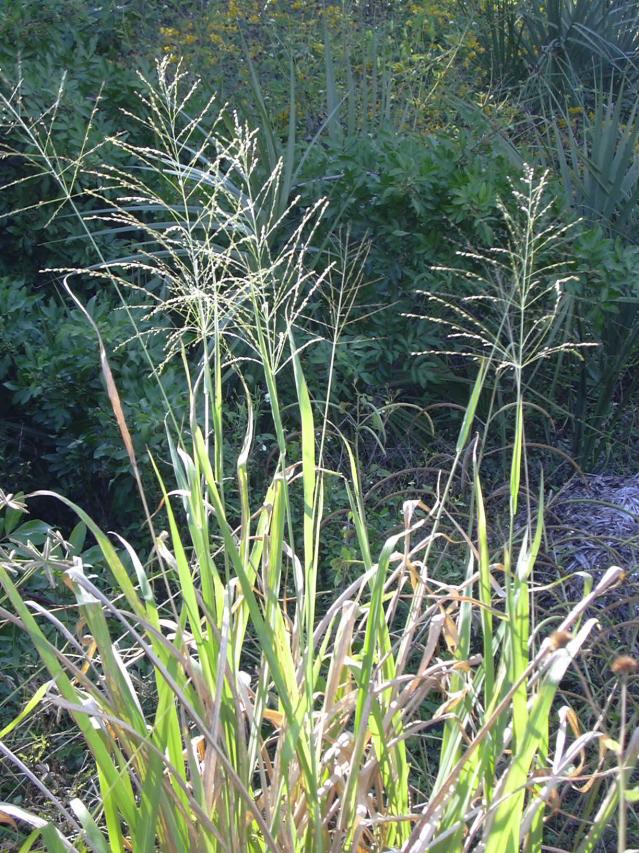
(b)(i) Mention two each that could be used to propagate specimen B;
(ii) preserve specimen B.
Specimen C (Kitchen knife)
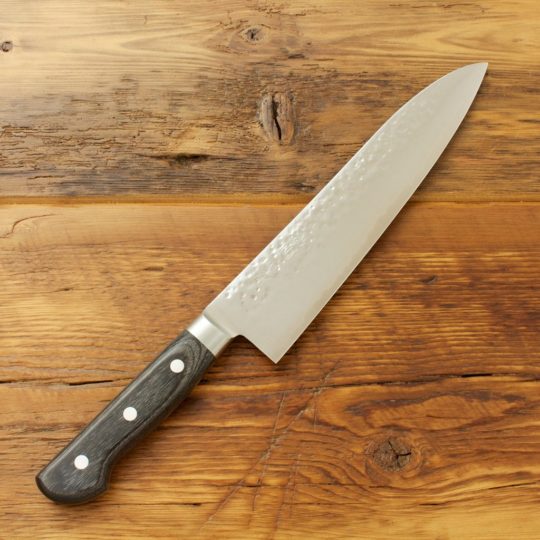
(c) State four of specimen C in animal production
Registe-se para Continuar
Crie uma conta gratuita para aceder a todos os recursos de aprendizagem, perguntas práticas e acompanhar o seu progresso.