Poultry Production
Visão Geral
Walk through a poultry market in Kano and you will see white Leghorns destined for egg trays, heavy white Broilers destined for the pot, and small, tough local chickens that seem to need almost nothing to survive. Three different birds, three different jobs, and behind each one a farmer who chose that breed, that housing system and that feeding routine on purpose. Poultry production is the single most widely practised branch of animal husbandry in Nigeria, from the backyard flock scratching around a compound in Enugu to the thousand-bird deep-litter house outside Ibadan.
In this lesson you will learn to sort poultry into its classes by production purpose, name the breeds a Nigerian farmer actually keeps and what each is best at, compare the three systems used to house and manage a flock, follow an egg from the nest through incubation to hatch, track a chick through brooding, growing and laying, and finish at the point of sale, where a live bird becomes dressed meat or a graded egg.
Objetivos
- Classify poultry into the various classes
- State the common breeds of poultry reared in Nigeria
- Distinguish between the systems of poultry management
- Explain the process of incubation in poultry production
- Explain the management practices in poultry production
- Explain the methods of processing poultry products
Mapa mental
Este tema esta mapeado para mostrar como as ideias se ligam.
Cartoes
Pratica rapida de memoria sobre o que e avaliado neste tema.
Nota de Aula
Registe-se para Continuar
Crie uma conta gratuita para aceder a todos os recursos de aprendizagem, perguntas práticas e acompanhar o seu progresso.
Avaliação da Lição
Parabéns por concluir a lição em Poultry Production. Agora que você explorou o conceitos e ideias-chave, é hora de colocar seu conhecimento à prova. Esta seção oferece uma variedade de práticas perguntas destinadas a reforçar sua compreensão e ajudá-lo a avaliar sua compreensão do material.
Irá encontrar uma mistura de tipos de perguntas, incluindo perguntas de escolha múltipla, perguntas de resposta curta e perguntas de redação. Cada pergunta é cuidadosamente elaborada para avaliar diferentes aspetos do seu conhecimento e competências de pensamento crítico.
Use esta secção de avaliação como uma oportunidade para reforçar a tua compreensão do tema e identificar quaisquer áreas onde possas precisar de estudo adicional. Não te deixes desencorajar pelos desafios que encontrares; em vez disso, vê-os como oportunidades de crescimento e melhoria.
- Poultry reared mainly for egg production are classified as: A. Broilers B. Layers C. Dual-purpose birds D. Table birds Answer: B
- Which of these breeds is best known as a high-yielding egg-type breed with white plumage? A. Rhode Island Red B. Broiler C. White Leghorn D. Local chicken Answer: C
- The average incubation period for chicken eggs is: A. 14 days B. 18 days C. 21 days D. 28 days Answer: C
- In which system of poultry management are birds allowed to roam freely in search of food with little or no housing? A. Intensive system B. Semi-intensive system C. Extensive/free-range system D. Battery cage system Answer: C
- Dressing percentage in poultry processing is calculated as: A. Live weight divided by dressed weight B. Dressed weight divided by live weight, multiplied by 100 C. Feed intake divided by body weight D. Egg weight divided by shell weight Answer: B
Registe-se para Continuar
Crie uma conta gratuita para aceder a todos os recursos de aprendizagem, perguntas práticas e acompanhar o seu progresso.
Registe-se para Continuar
Crie uma conta gratuita para aceder a todos os recursos de aprendizagem, perguntas práticas e acompanhar o seu progresso.
Livros Recomendados

Questões de revisão
Pergunta-se como são as perguntas anteriores sobre este tópico? Aqui estão várias perguntas sobre Poultry Production de anos passados.
Pergunta 1 Relatório

Specimen H (Plastic bucket)
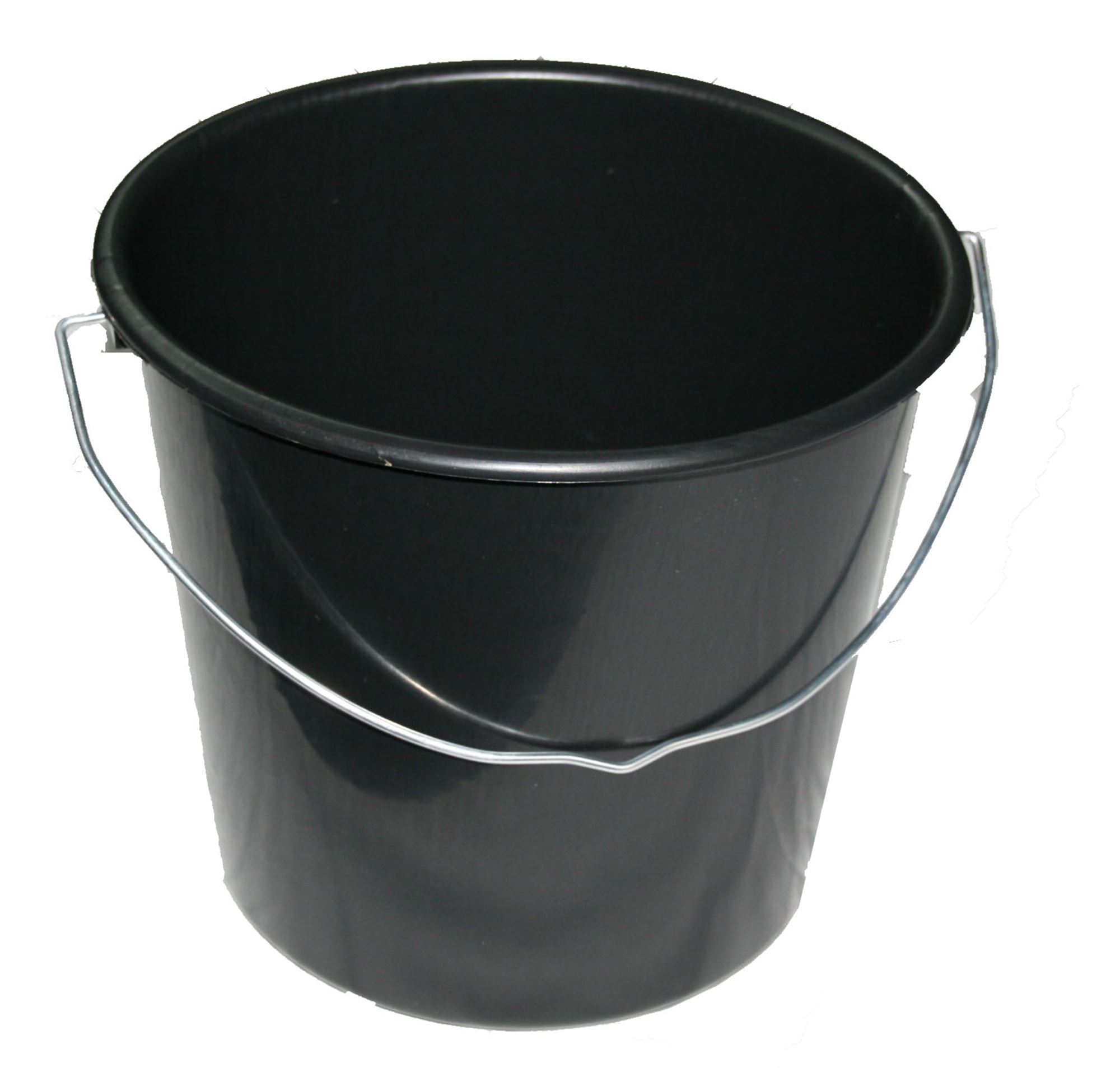
(a)(i) State five ways in which specimen H could be used in poultry production.
(ii) Mention two advantages of using specimen H in animal production
(iii) State two disadvantages of using specimen H in animal production.
Specimen I (Mercury in glass thermometer)

(b) Give one reason for using specimen I in the brooding of chicks
Specimen J (Ear tag)
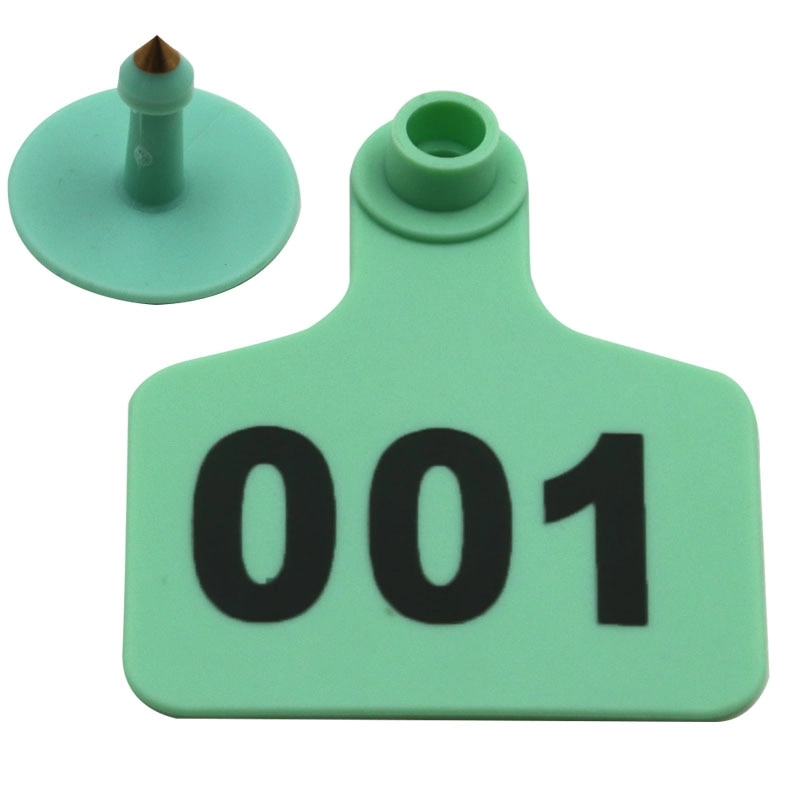
(c)(i) State two ways in which the use of specimen J is important in animal production.
(ii) Name three farm animals on which specimen J could be used.
Detalhes da Resposta
Specimen H (plastic bucket)
(a)(i) Five ways it could be used in poultry production
- For fetching and supplying water.
- For conveying and supplying feed.
- For collecting and packing eggs.
- For evacuating litter and disposing of waste.
- For storing feed, water or drugs and for mixing feed and medications.
(a)(ii) Two advantages of using it in animal production
- It is light, portable and easy to handle, and does not rust or corrode.
- It is cheap and readily available, and cannot be attacked by termites/insects.
(a)(iii) Two disadvantages of using it in animal production
- It can break or crack.
- It can catch fire and is affected by direct sunlight (and is non-biodegradable).
Specimen I (mercury-in-glass thermometer)
(b) One reason for using it in the brooding of chicks
- To check and monitor the temperature in the brooder house so that the correct warmth for the chicks is maintained.
Specimen J (ear tag)
(c)(i) Two ways in which its use is important in animal production
- For the identification of individual animals.
- For record keeping and to show ownership.
(c)(ii) Three farm animals on which it could be used
- Cattle
- Sheep
- Goat (also pig)
Registe-se para Continuar
Crie uma conta gratuita para aceder a todos os recursos de aprendizagem, perguntas práticas e acompanhar o seu progresso.