Feedstuffs And Feed Supplements
Visão Geral
A farmer in Ilorin feeds her broilers a ration heavy in maize and groundnut cake, ticks off energy and protein as covered, and still watches the birds grow slower than they should and go down with leg problems. The maize supplied the energy. The groundnut cake supplied the protein. What the ration lacked was a pinch of vitamins and minerals too small to notice by eye but too important to skip, the job of a feed supplement.
In this lesson you will learn how to sort any feedstuff into one of three families, energy, protein or roughage, using real Nigerian ingredients as your examples throughout, and then how supplements sit apart from all three, correcting the small gaps that a bulky, well-balanced ration can still leave behind. You will finish able to look at any farm ration and say exactly what role each ingredient in it is playing.
Objetivos
- Classify feedstuffs into energy, protein and roughage sources
- Give examples of feedstuffs available in Nigeria
- Define feed supplements
- State the types of feed supplements
- Explain the importance of feed supplements in animal nutrition
Mapa mental
Este tema esta mapeado para mostrar como as ideias se ligam.
Cartoes
Pratica rapida de memoria sobre o que e avaliado neste tema.
Nota de Aula
Registe-se para Continuar
Crie uma conta gratuita para aceder a todos os recursos de aprendizagem, perguntas práticas e acompanhar o seu progresso.
Avaliação da Lição
Parabéns por concluir a lição em Feedstuffs And Feed Supplements. Agora que você explorou o conceitos e ideias-chave, é hora de colocar seu conhecimento à prova. Esta seção oferece uma variedade de práticas perguntas destinadas a reforçar sua compreensão e ajudá-lo a avaliar sua compreensão do material.
Irá encontrar uma mistura de tipos de perguntas, incluindo perguntas de escolha múltipla, perguntas de resposta curta e perguntas de redação. Cada pergunta é cuidadosamente elaborada para avaliar diferentes aspetos do seu conhecimento e competências de pensamento crítico.
Use esta secção de avaliação como uma oportunidade para reforçar a tua compreensão do tema e identificar quaisquer áreas onde possas precisar de estudo adicional. Não te deixes desencorajar pelos desafios que encontrares; em vez disso, vê-os como oportunidades de crescimento e melhoria.
- Which of the following is classified as an energy source in livestock feeding? A. Groundnut cake B. Wheat offal C. Fish meal D. Blood meal Answer: B
- Which of the following is a PLANT protein source? A. Fish meal B. Blood meal C. Soybean meal D. Bone meal Answer: C
- A substance added to a ration in a small amount to correct a specific nutrient shortfall is called a: A. Roughage B. Feed supplement C. Concentrate D. Balanced ration Answer: B
- Which of the following is the best example of a roughage source for ruminants? A. Maize B. Groundnut cake C. Guinea grass D. Fish meal Answer: C
- A mineral or salt lick left for grazing cattle mainly helps the animal to: A. Gain weight quickly B. Self-correct a mineral shortfall C. Digest roughage faster D. Increase its water intake Answer: B
Registe-se para Continuar
Crie uma conta gratuita para aceder a todos os recursos de aprendizagem, perguntas práticas e acompanhar o seu progresso.
Registe-se para Continuar
Crie uma conta gratuita para aceder a todos os recursos de aprendizagem, perguntas práticas e acompanhar o seu progresso.
Livros Recomendados

Questões de revisão
Pergunta-se como são as perguntas anteriores sobre este tópico? Aqui estão várias perguntas sobre Feedstuffs And Feed Supplements de anos passados.
Pergunta 1 Relatório
Specimen A (Dry groundnut haulm)

(a)i. Outline the procedure for obtaining specimen A.
(ii) State three benefits that farm animals could derive from feeding on specimen A.
Specimen B (Guinea grass)
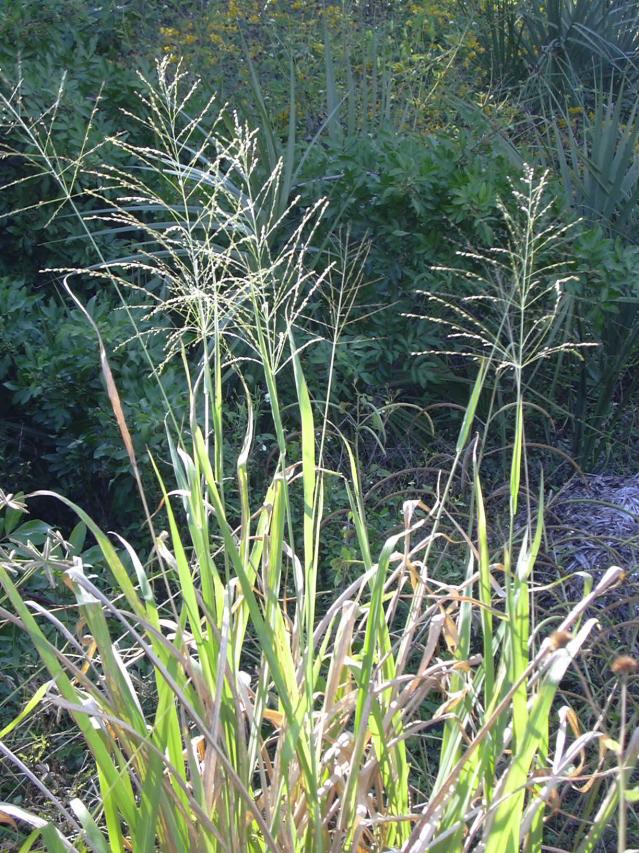
(b)(i) Mention two each that could be used to propagate specimen B;
(ii) preserve specimen B.
Specimen C (Kitchen knife)
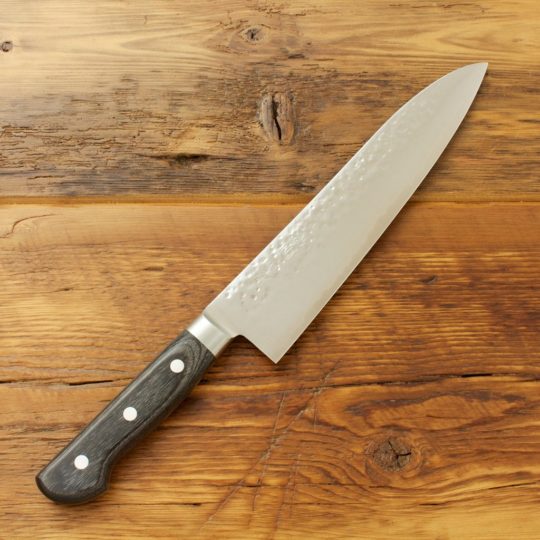
(c) State four of specimen C in animal production
Detalhes da Resposta
Specimen A - Dry groundnut haulm is the dried above-ground part of the groundnut plant (the stems, vines and leaves) that remains after the pods have been removed. A labelled diagram of the plant it comes from:
(a)(i) Procedure for obtaining Specimen A.
- Harvest the mature groundnut crop by uprooting the whole plants from the field.
- Detach the pods (nuts) from the plants by picking or threshing, leaving the stems, vines and leaves.
- Spread the remaining haulms in the open to dry in the sun (or under shade for slower, greener drying).
- Turn the material over at intervals so that it dries evenly and does not rot or grow mould.
- When it is properly dry, cut or chop it into smaller pieces.
- Pack it into jute bags or a suitable container and store in a dry place until it is needed as feed.
(a)(ii) Three benefits farm animals derive from feeding on Specimen A.
- It is rich in crude protein (groundnut is a legume), which supports growth and body building.
- It is high in fibre (roughage), which promotes rumination and healthy digestion in ruminants.
- It is readily available and stores well, providing valuable fodder during the dry season when green pasture is scarce.
Specimen B - Guinea grass (Panicum maximum), a tall, tufted forage grass.
(b)(i) Two materials used to propagate Specimen B.
- Seeds.
- Vegetative planting material: root or stem splits (slips) taken from the crown or rooted stem cuttings.
(b)(ii) Two methods used to preserve Specimen B.
- Hay making: cutting the grass and drying it to a low moisture content for storage.
- Silage making: chopping the fresh grass and ensiling it under airtight (anaerobic) conditions in a silo.
Specimen C - Kitchen knife, a hand-held cutting tool.
(c) Four uses of Specimen C in animal production.
- Cutting and chopping forage or fodder into smaller pieces for feeding.
- Slaughtering and dressing (skinning and cutting up) farm animals during processing.
- Castration and other minor surgical operations, and cutting the umbilical cord of newborn animals.
- Cutting ropes and opening feed bags during routine handling of animals.
Registe-se para Continuar
Crie uma conta gratuita para aceder a todos os recursos de aprendizagem, perguntas práticas e acompanhar o seu progresso.