Forage Conservation And Utilization
Overzicht
Grass grows fastest exactly when livestock need it least. Through the rains, pasture around Kaduna, Makurdi or Jos grows thick and lush, far more than a herd can eat in a day, while by January the same fields are bare and brown and animals lose condition fast. Forage conservation is the answer to that mismatch: cutting the wet season's surplus grass and legume at their best and locking that quality in, as hay or silage, so it is still good feed months later when the dry season bites.
The two methods that do this work in almost opposite ways. Hay making dries forage until it is too dry for anything to spoil it. Silage making seals moist forage away from air until fermentation itself keeps it from spoiling. This lesson takes you through both processes step by step, shows you how to tell one from the other by moisture content alone, and covers how conserved forage is actually fed out and checked for quality once the harmattan arrives.
Doelstellingen
- Define forage conservation
- Explain the methods of forage conservation
- Distinguish between hay making and silage making
- Explain the methods of forage utilisation
- State the importance of forage conservation to livestock production
Lesnotitie
Aanmelden om door te gaan
Maak een gratis account aan om toegang te krijgen tot alle leermiddelen, oefenvragen en om je voortgang bij te houden.
Lesevaluatie
Gefeliciteerd met het voltooien van de les op Forage Conservation And Utilization. Nu je de sleutelconcepten en ideeën, het is tijd om uw kennis op de proef te stellen. Deze sectie biedt een verscheidenheid aan oefeningen vragen die bedoeld zijn om uw begrip te vergroten en u te helpen uw begrip van de stof te peilen.
Je zult een mix van vraagtypen tegenkomen, waaronder meerkeuzevragen, korte antwoordvragen en essayvragen. Elke vraag is zorgvuldig samengesteld om verschillende aspecten van je kennis en kritisch denkvermogen te beoordelen.
Gebruik dit evaluatiegedeelte als een kans om je begrip van het onderwerp te versterken en om gebieden te identificeren waar je mogelijk extra studie nodig hebt. Laat je niet ontmoedigen door eventuele uitdagingen die je tegenkomt; beschouw ze in plaats daarvan als kansen voor groei en verbetering.
- Forage conservation is best described as: A. Growing more pasture during the dry season B. Preserving surplus wet season forage for use when pasture is scarce C. Removing weeds from a pasture D. Fencing a pasture into paddocks Answer: B
- The approximate moisture content of properly cured hay ready for baling is: A. 12 to 15 percent B. 30 to 35 percent C. 50 to 55 percent D. 65 to 70 percent Answer: A
- Silage is preserved mainly by: A. Drying the forage until it is too dry to spoil B. Sealing moist forage away from air so it ferments C. Adding chemical preservatives D. Freezing the chopped forage Answer: B
- Which organisms are responsible for preserving silage through fermentation? A. Moulds B. Lactic acid bacteria C. Nematodes D. Yeasts alone Answer: B
- A sign that stored hay is no longer safe to feed is that it: A. Rustles when handled B. Smells musty and shows grey mould patches C. Is stacked in an open sided barn D. Was cut while still leafy Answer: B
Aanmelden om door te gaan
Maak een gratis account aan om toegang te krijgen tot alle leermiddelen, oefenvragen en om je voortgang bij te houden.
Aanmelden om door te gaan
Maak een gratis account aan om toegang te krijgen tot alle leermiddelen, oefenvragen en om je voortgang bij te houden.
Aanbevolen Boeken

Eerdere Vragen
Benieuwd hoe eerdere vragen over dit onderwerp eruitzien? Hier zijn een aantal vragen over Forage Conservation And Utilization van voorgaande jaren.
Vraag 1 Verslag
Specimen A (Dry groundnut haulm)

(a)i. Outline the procedure for obtaining specimen A.
(ii) State three benefits that farm animals could derive from feeding on specimen A.
Specimen B (Guinea grass)
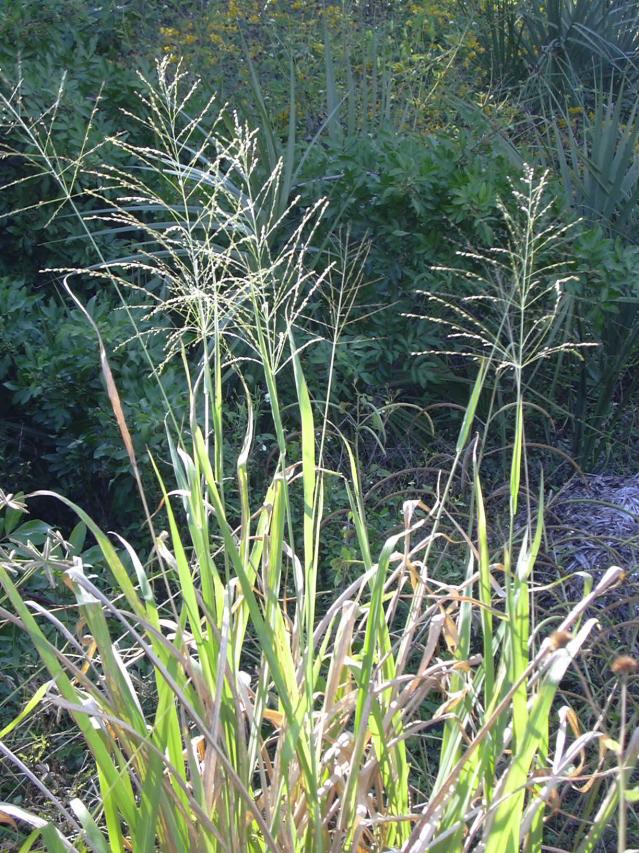
(b)(i) Mention two each that could be used to propagate specimen B;
(ii) preserve specimen B.
Specimen C (Kitchen knife)
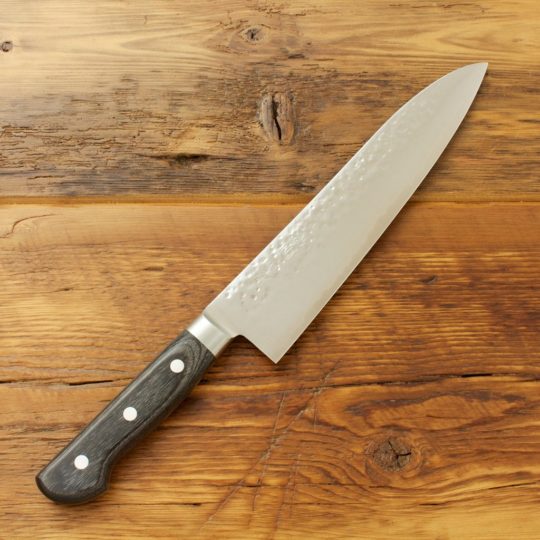
(c) State four of specimen C in animal production
Aanmelden om door te gaan
Maak een gratis account aan om toegang te krijgen tot alle leermiddelen, oefenvragen en om je voortgang bij te houden.