Feedstuffs And Feed Supplements
Overzicht
A farmer in Ilorin feeds her broilers a ration heavy in maize and groundnut cake, ticks off energy and protein as covered, and still watches the birds grow slower than they should and go down with leg problems. The maize supplied the energy. The groundnut cake supplied the protein. What the ration lacked was a pinch of vitamins and minerals too small to notice by eye but too important to skip, the job of a feed supplement.
In this lesson you will learn how to sort any feedstuff into one of three families, energy, protein or roughage, using real Nigerian ingredients as your examples throughout, and then how supplements sit apart from all three, correcting the small gaps that a bulky, well-balanced ration can still leave behind. You will finish able to look at any farm ration and say exactly what role each ingredient in it is playing.
Doelstellingen
- Classify feedstuffs into energy, protein and roughage sources
- Give examples of feedstuffs available in Nigeria
- Define feed supplements
- State the types of feed supplements
- Explain the importance of feed supplements in animal nutrition
Mindmap
Dit onderwerp is in kaart gebracht zodat je ziet hoe de ideeen samenhangen.
Flashcards
Snelle geheugentraining op wat bij dit onderwerp getoetst wordt.
Lesnotitie
Aanmelden om door te gaan
Maak een gratis account aan om toegang te krijgen tot alle leermiddelen, oefenvragen en om je voortgang bij te houden.
Lesevaluatie
Gefeliciteerd met het voltooien van de les op Feedstuffs And Feed Supplements. Nu je de sleutelconcepten en ideeën, het is tijd om uw kennis op de proef te stellen. Deze sectie biedt een verscheidenheid aan oefeningen vragen die bedoeld zijn om uw begrip te vergroten en u te helpen uw begrip van de stof te peilen.
Je zult een mix van vraagtypen tegenkomen, waaronder meerkeuzevragen, korte antwoordvragen en essayvragen. Elke vraag is zorgvuldig samengesteld om verschillende aspecten van je kennis en kritisch denkvermogen te beoordelen.
Gebruik dit evaluatiegedeelte als een kans om je begrip van het onderwerp te versterken en om gebieden te identificeren waar je mogelijk extra studie nodig hebt. Laat je niet ontmoedigen door eventuele uitdagingen die je tegenkomt; beschouw ze in plaats daarvan als kansen voor groei en verbetering.
- Which of the following is classified as an energy source in livestock feeding? A. Groundnut cake B. Wheat offal C. Fish meal D. Blood meal Answer: B
- Which of the following is a PLANT protein source? A. Fish meal B. Blood meal C. Soybean meal D. Bone meal Answer: C
- A substance added to a ration in a small amount to correct a specific nutrient shortfall is called a: A. Roughage B. Feed supplement C. Concentrate D. Balanced ration Answer: B
- Which of the following is the best example of a roughage source for ruminants? A. Maize B. Groundnut cake C. Guinea grass D. Fish meal Answer: C
- A mineral or salt lick left for grazing cattle mainly helps the animal to: A. Gain weight quickly B. Self-correct a mineral shortfall C. Digest roughage faster D. Increase its water intake Answer: B
Aanmelden om door te gaan
Maak een gratis account aan om toegang te krijgen tot alle leermiddelen, oefenvragen en om je voortgang bij te houden.
Aanmelden om door te gaan
Maak een gratis account aan om toegang te krijgen tot alle leermiddelen, oefenvragen en om je voortgang bij te houden.
Aanbevolen Boeken

Herhalingsvragen
Benieuwd hoe eerdere vragen over dit onderwerp eruitzien? Hier zijn een aantal vragen over Feedstuffs And Feed Supplements van voorgaande jaren.
Vraag 1 Verslag
Specimen A (Dry groundnut haulm)

(a)i. Outline the procedure for obtaining specimen A.
(ii) State three benefits that farm animals could derive from feeding on specimen A.
Specimen B (Guinea grass)
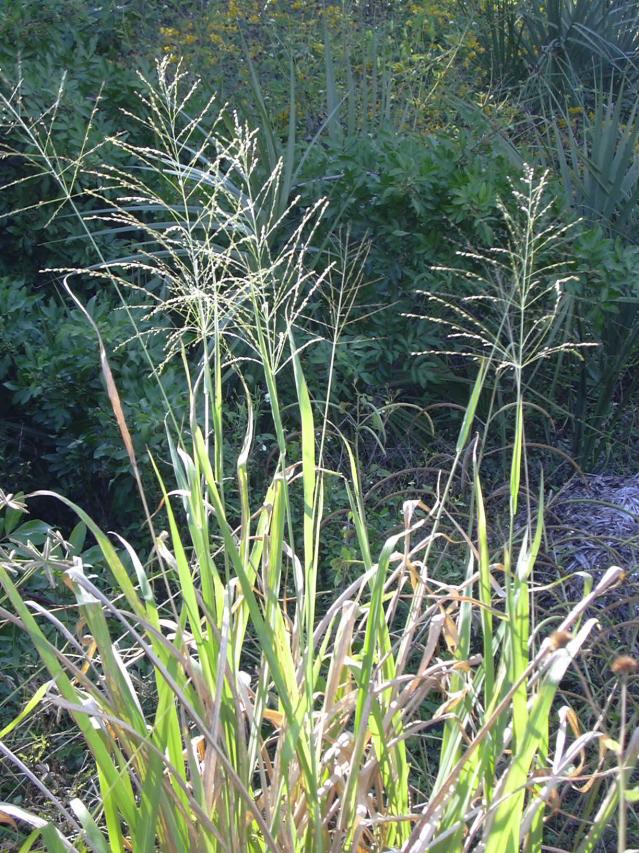
(b)(i) Mention two each that could be used to propagate specimen B;
(ii) preserve specimen B.
Specimen C (Kitchen knife)
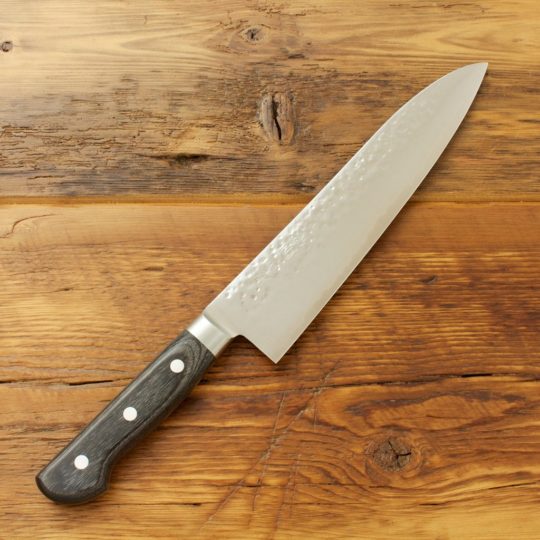
(c) State four of specimen C in animal production
Antwoorddetails
Specimen A - Dry groundnut haulm is the dried above-ground part of the groundnut plant (the stems, vines and leaves) that remains after the pods have been removed. A labelled diagram of the plant it comes from:
(a)(i) Procedure for obtaining Specimen A.
- Harvest the mature groundnut crop by uprooting the whole plants from the field.
- Detach the pods (nuts) from the plants by picking or threshing, leaving the stems, vines and leaves.
- Spread the remaining haulms in the open to dry in the sun (or under shade for slower, greener drying).
- Turn the material over at intervals so that it dries evenly and does not rot or grow mould.
- When it is properly dry, cut or chop it into smaller pieces.
- Pack it into jute bags or a suitable container and store in a dry place until it is needed as feed.
(a)(ii) Three benefits farm animals derive from feeding on Specimen A.
- It is rich in crude protein (groundnut is a legume), which supports growth and body building.
- It is high in fibre (roughage), which promotes rumination and healthy digestion in ruminants.
- It is readily available and stores well, providing valuable fodder during the dry season when green pasture is scarce.
Specimen B - Guinea grass (Panicum maximum), a tall, tufted forage grass.
(b)(i) Two materials used to propagate Specimen B.
- Seeds.
- Vegetative planting material: root or stem splits (slips) taken from the crown or rooted stem cuttings.
(b)(ii) Two methods used to preserve Specimen B.
- Hay making: cutting the grass and drying it to a low moisture content for storage.
- Silage making: chopping the fresh grass and ensiling it under airtight (anaerobic) conditions in a silo.
Specimen C - Kitchen knife, a hand-held cutting tool.
(c) Four uses of Specimen C in animal production.
- Cutting and chopping forage or fodder into smaller pieces for feeding.
- Slaughtering and dressing (skinning and cutting up) farm animals during processing.
- Castration and other minor surgical operations, and cutting the umbilical cord of newborn animals.
- Cutting ropes and opening feed bags during routine handling of animals.
Aanmelden om door te gaan
Maak een gratis account aan om toegang te krijgen tot alle leermiddelen, oefenvragen en om je voortgang bij te houden.