Snail Farming
Gbogbo ọrọ náà
Long before anyone farmed it, the giant African land snail was simply gathered: children combing the bush after the first rains, market women selling whatever a night's hunting turned up. Snail farming, properly called heliciculture, is the deliberate opposite of that: breeding and rearing edible snails in a controlled pen so that supply no longer depends on the weather or the width of the bush. It is one of the smallest, cheapest livestock enterprises a Nigerian household can start, and one of the most overlooked.
In this lesson you will learn what snail farming actually means, meet the two giant land snail species Nigerian farmers rear, and work through the housing, feeding and breeding routine that keeps a snailery productive. You will finish able to explain why this quiet, low-cost enterprise deserves a place beside poultry and fish farming in any serious discussion of Nigerian livestock production.
Ebumnobi
- Define snail farming
- State the common species of edible snails reared in Nigeria
- Explain the management practices in snail farming
- State the economic importance of snail farming
- Explain the factors that favour snail farming in Nigeria
Akọmọ Ojú-ẹkọ
Yi rajista ka ci gaba
Kpọpụta akaụntụ n’efu ka ị nweta ohere na ihe ọmụmụ niile, ajụjụ omume, ma soro mmepe gị.
Ayẹwo Ẹkọ
Ekele diri gi maka imecha ihe karịrị na Snail Farming. Ugbu a na ị na-enyochakwa isi echiche na echiche ndị dị mkpa, ọ bụ oge iji nwalee ihe ị ma. Ngwa a na-enye ụdị ajụjụ ọmụmụ dị iche iche emebere iji kwado nghọta gị wee nyere gị aka ịmata otú ị ghọtara ihe ndị a kụziri.
Ị ga-ahụ ngwakọta nke ụdị ajụjụ dị iche iche, gụnyere ajụjụ chọrọ ịhọrọ otu n’ime ọtụtụ azịza, ajụjụ chọrọ mkpirisi azịza, na ajụjụ ede ede. A na-arụpụta ajụjụ ọ bụla nke ọma iji nwalee akụkụ dị iche iche nke ihe ọmụma gị na nkà nke ịtụgharị uche.
Jiri akụkụ a nke nyocha ka ohere iji kụziere ihe ị matara banyere isiokwu ahụ ma chọpụta ebe ọ bụla ị nwere ike ịchọ ọmụmụ ihe ọzọ. Ekwela ka nsogbu ọ bụla ị na-eche ihu mee ka ị daa mba; kama, lee ha anya dị ka ohere maka ịzụlite onwe gị na imeziwanye.
- Snail farming is best defined as: A. Collecting snails found wild in the bush after rain B. The deliberate rearing of edible snails in a managed enclosure for food and income C. Hunting snails for sale in the market D. Keeping snails as pets only Answer: B
- Which of the following is a distinguishing feature of Archachatina marginata? A. A narrow conical shell with brown stripes B. A large dark shell with a pale band C. A white shell with no markings D. No shell at all Answer: B
- The enclosure in which farmed snails are housed is called a: A. Coop B. Snailery C. Sty D. Hutch Answer: B
- Which of these is the best reason snails must be kept in shaded, moist conditions? A. They dislike bright colours B. Their soft skin loses water quickly in dry, sunny conditions C. They cannot see in daylight D. Shade improves the taste of the meat Answer: B
- Giant land snails are described as hermaphrodite because each snail: A. Can fertilise its own eggs alone B. Carries both male and female reproductive organs C. Has no reproductive organs D. Changes sex every year Answer: B
Yi rajista ka ci gaba
Kpọpụta akaụntụ n’efu ka ị nweta ohere na ihe ọmụmụ niile, ajụjụ omume, ma soro mmepe gị.
Yi rajista ka ci gaba
Kpọpụta akaụntụ n’efu ka ị nweta ohere na ihe ọmụmụ niile, ajụjụ omume, ma soro mmepe gị.
Àwọn Ìwé Tó Dáa Láti Kà

Àwọn Ìbéèrè Tó Ti Kọjá
Nna, you dey wonder how past questions for this topic be? Here be some questions about Snail Farming from previous years.
Ajụjụ 1 Ripọtì

Specimen E (Land snail)
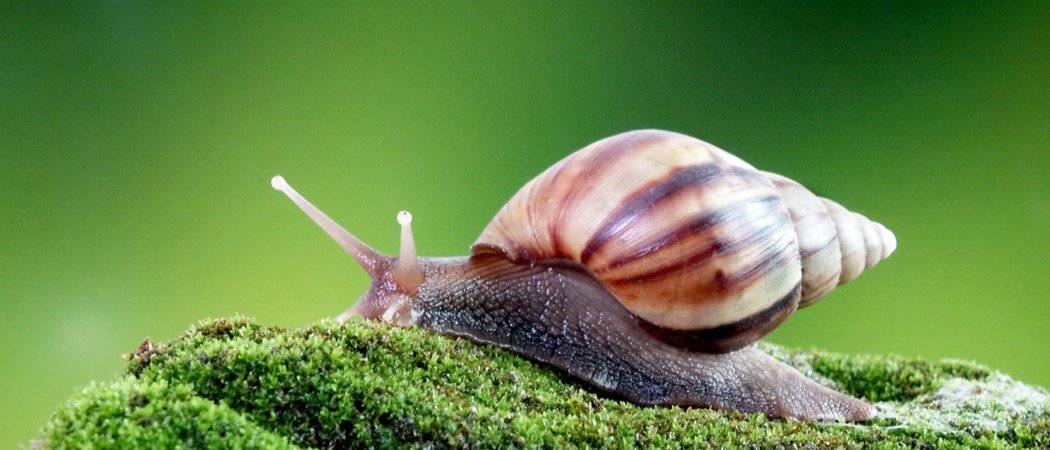
(a)(i) Name two external parts of the body of specimen E.
(ii) State five which could be derived from rearing specimen E.
(iii) Name three pests that could attack specimen E.
Specimen F (Bamboo)
:max_bytes(150000):strip_icc()/how-to-grow-golden-bamboo-5077107-hero-50c7b729a702412b8e106469b2431368.jpg)
(b)(i) State three uses of specimen F on an animal farm.
(ii) Give two disadvantages of using specimen F on an animal farm
Yi rajista ka ci gaba
Kpọpụta akaụntụ n’efu ka ị nweta ohere na ihe ọmụmụ niile, ajụjụ omume, ma soro mmepe gị.