Poultry Production
Gbogbo ọrọ náà
Walk through a poultry market in Kano and you will see white Leghorns destined for egg trays, heavy white Broilers destined for the pot, and small, tough local chickens that seem to need almost nothing to survive. Three different birds, three different jobs, and behind each one a farmer who chose that breed, that housing system and that feeding routine on purpose. Poultry production is the single most widely practised branch of animal husbandry in Nigeria, from the backyard flock scratching around a compound in Enugu to the thousand-bird deep-litter house outside Ibadan.
In this lesson you will learn to sort poultry into its classes by production purpose, name the breeds a Nigerian farmer actually keeps and what each is best at, compare the three systems used to house and manage a flock, follow an egg from the nest through incubation to hatch, track a chick through brooding, growing and laying, and finish at the point of sale, where a live bird becomes dressed meat or a graded egg.
Ebumnobi
- Classify poultry into the various classes
- State the common breeds of poultry reared in Nigeria
- Distinguish between the systems of poultry management
- Explain the process of incubation in poultry production
- Explain the management practices in poultry production
- Explain the methods of processing poultry products
Maapụ uche
E seela isiokwu a ka ị hụ otu echiche si ejikọta.
Kaadị ncheta
Omume ncheta ngwa ngwa n'ihe a na-anwale n'isiokwu a.
Akwụkwọ Ọmụmụ
Yi rajista ka ci gaba
Kpọpụta akaụntụ n’efu ka ị nweta ohere na ihe ọmụmụ niile, ajụjụ omume, ma soro mmepe gị.
Nnyocha Ọmụmụ
Ekele diri gi maka imecha ihe karịrị na Poultry Production. Ugbu a na ị na-enyochakwa isi echiche na echiche ndị dị mkpa, ọ bụ oge iji nwalee ihe ị ma. Ngwa a na-enye ụdị ajụjụ ọmụmụ dị iche iche emebere iji kwado nghọta gị wee nyere gị aka ịmata otú ị ghọtara ihe ndị a kụziri.
Ị ga-ahụ ngwakọta nke ụdị ajụjụ dị iche iche, gụnyere ajụjụ chọrọ ịhọrọ otu n’ime ọtụtụ azịza, ajụjụ chọrọ mkpirisi azịza, na ajụjụ ede ede. A na-arụpụta ajụjụ ọ bụla nke ọma iji nwalee akụkụ dị iche iche nke ihe ọmụma gị na nkà nke ịtụgharị uche.
Jiri akụkụ a nke nyocha ka ohere iji kụziere ihe ị matara banyere isiokwu ahụ ma chọpụta ebe ọ bụla ị nwere ike ịchọ ọmụmụ ihe ọzọ. Ekwela ka nsogbu ọ bụla ị na-eche ihu mee ka ị daa mba; kama, lee ha anya dị ka ohere maka ịzụlite onwe gị na imeziwanye.
- Poultry reared mainly for egg production are classified as: A. Broilers B. Layers C. Dual-purpose birds D. Table birds Answer: B
- Which of these breeds is best known as a high-yielding egg-type breed with white plumage? A. Rhode Island Red B. Broiler C. White Leghorn D. Local chicken Answer: C
- The average incubation period for chicken eggs is: A. 14 days B. 18 days C. 21 days D. 28 days Answer: C
- In which system of poultry management are birds allowed to roam freely in search of food with little or no housing? A. Intensive system B. Semi-intensive system C. Extensive/free-range system D. Battery cage system Answer: C
- Dressing percentage in poultry processing is calculated as: A. Live weight divided by dressed weight B. Dressed weight divided by live weight, multiplied by 100 C. Feed intake divided by body weight D. Egg weight divided by shell weight Answer: B
Yi rajista ka ci gaba
Kpọpụta akaụntụ n’efu ka ị nweta ohere na ihe ọmụmụ niile, ajụjụ omume, ma soro mmepe gị.
Yi rajista ka ci gaba
Kpọpụta akaụntụ n’efu ka ị nweta ohere na ihe ọmụmụ niile, ajụjụ omume, ma soro mmepe gị.
Akwụkwọ A Na-atụ Aro

Ajụjụ Nnyocha
Nna, you dey wonder how past questions for this topic be? Here be some questions about Poultry Production from previous years.
Ajụjụ 1 Ripọtì

Specimen H (Plastic bucket)
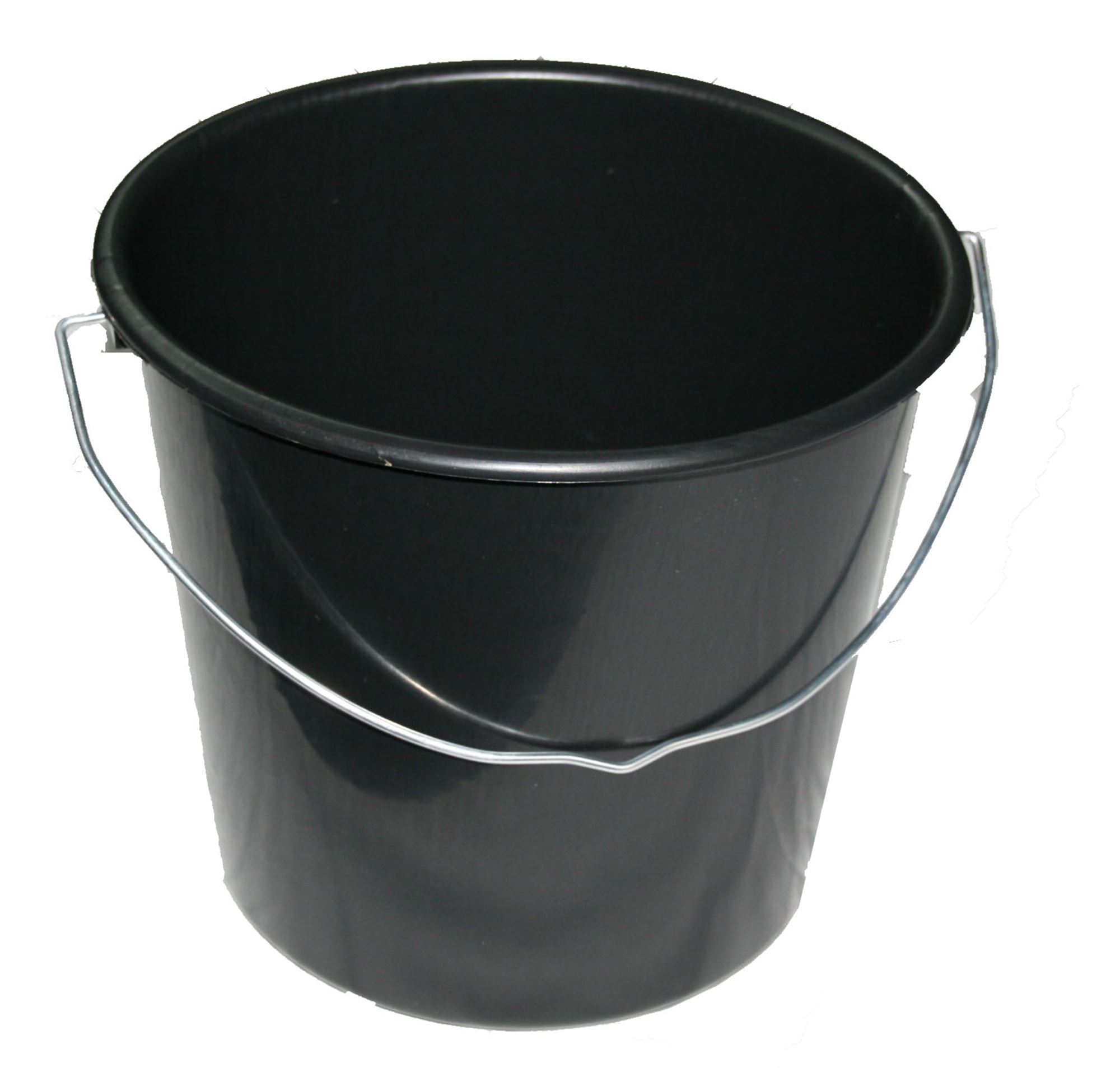
(a)(i) State five ways in which specimen H could be used in poultry production.
(ii) Mention two advantages of using specimen H in animal production
(iii) State two disadvantages of using specimen H in animal production.
Specimen I (Mercury in glass thermometer)

(b) Give one reason for using specimen I in the brooding of chicks
Specimen J (Ear tag)

(c)(i) State two ways in which the use of specimen J is important in animal production.
(ii) Name three farm animals on which specimen J could be used.
Akọwa Nkọwa
Specimen H (plastic bucket)
(a)(i) Five ways it could be used in poultry production
- For fetching and supplying water.
- For conveying and supplying feed.
- For collecting and packing eggs.
- For evacuating litter and disposing of waste.
- For storing feed, water or drugs and for mixing feed and medications.
(a)(ii) Two advantages of using it in animal production
- It is light, portable and easy to handle, and does not rust or corrode.
- It is cheap and readily available, and cannot be attacked by termites/insects.
(a)(iii) Two disadvantages of using it in animal production
- It can break or crack.
- It can catch fire and is affected by direct sunlight (and is non-biodegradable).
Specimen I (mercury-in-glass thermometer)
(b) One reason for using it in the brooding of chicks
- To check and monitor the temperature in the brooder house so that the correct warmth for the chicks is maintained.
Specimen J (ear tag)
(c)(i) Two ways in which its use is important in animal production
- For the identification of individual animals.
- For record keeping and to show ownership.
(c)(ii) Three farm animals on which it could be used
- Cattle
- Sheep
- Goat (also pig)
Yi rajista ka ci gaba
Kpọpụta akaụntụ n’efu ka ị nweta ohere na ihe ọmụmụ niile, ajụjụ omume, ma soro mmepe gị.