Poultry Production
Aperçu
Walk through a poultry market in Kano and you will see white Leghorns destined for egg trays, heavy white Broilers destined for the pot, and small, tough local chickens that seem to need almost nothing to survive. Three different birds, three different jobs, and behind each one a farmer who chose that breed, that housing system and that feeding routine on purpose. Poultry production is the single most widely practised branch of animal husbandry in Nigeria, from the backyard flock scratching around a compound in Enugu to the thousand-bird deep-litter house outside Ibadan.
In this lesson you will learn to sort poultry into its classes by production purpose, name the breeds a Nigerian farmer actually keeps and what each is best at, compare the three systems used to house and manage a flock, follow an egg from the nest through incubation to hatch, track a chick through brooding, growing and laying, and finish at the point of sale, where a live bird becomes dressed meat or a graded egg.
Objectifs
- Classify poultry into the various classes
- State the common breeds of poultry reared in Nigeria
- Distinguish between the systems of poultry management
- Explain the process of incubation in poultry production
- Explain the management practices in poultry production
- Explain the methods of processing poultry products
Note de cours
Inscrivez-vous pour continuer
Créez un compte gratuit pour accéder à toutes les ressources d'apprentissage, aux questions d'entraînement et suivre votre progression.
Évaluation de la leçon
Félicitations, vous avez terminé la leçon sur Poultry Production. Maintenant que vous avez exploré le concepts et idées clés, il est temps de mettre vos connaissances à lépreuve. Cette section propose une variété de pratiques des questions conçues pour renforcer votre compréhension et vous aider à évaluer votre compréhension de la matière.
Vous rencontrerez un mélange de types de questions, y compris des questions à choix multiple, des questions à réponse courte et des questions de rédaction. Chaque question est soigneusement conçue pour évaluer différents aspects de vos connaissances et de vos compétences en pensée critique.
Utilisez cette section d'évaluation comme une occasion de renforcer votre compréhension du sujet et d'identifier les domaines où vous pourriez avoir besoin d'étudier davantage. Ne soyez pas découragé par les défis que vous rencontrez ; considérez-les plutôt comme des opportunités de croissance et d'amélioration.
- Poultry reared mainly for egg production are classified as: A. Broilers B. Layers C. Dual-purpose birds D. Table birds Answer: B
- Which of these breeds is best known as a high-yielding egg-type breed with white plumage? A. Rhode Island Red B. Broiler C. White Leghorn D. Local chicken Answer: C
- The average incubation period for chicken eggs is: A. 14 days B. 18 days C. 21 days D. 28 days Answer: C
- In which system of poultry management are birds allowed to roam freely in search of food with little or no housing? A. Intensive system B. Semi-intensive system C. Extensive/free-range system D. Battery cage system Answer: C
- Dressing percentage in poultry processing is calculated as: A. Live weight divided by dressed weight B. Dressed weight divided by live weight, multiplied by 100 C. Feed intake divided by body weight D. Egg weight divided by shell weight Answer: B
Inscrivez-vous pour continuer
Créez un compte gratuit pour accéder à toutes les ressources d'apprentissage, aux questions d'entraînement et suivre votre progression.
Inscrivez-vous pour continuer
Créez un compte gratuit pour accéder à toutes les ressources d'apprentissage, aux questions d'entraînement et suivre votre progression.
Livres recommandés

Questions précédentes
Vous vous demandez à quoi ressemblent les questions passées sur ce sujet ? Voici plusieurs questions sur Poultry Production des années précédentes.
Question 1 Rapport

Specimen H (Plastic bucket)
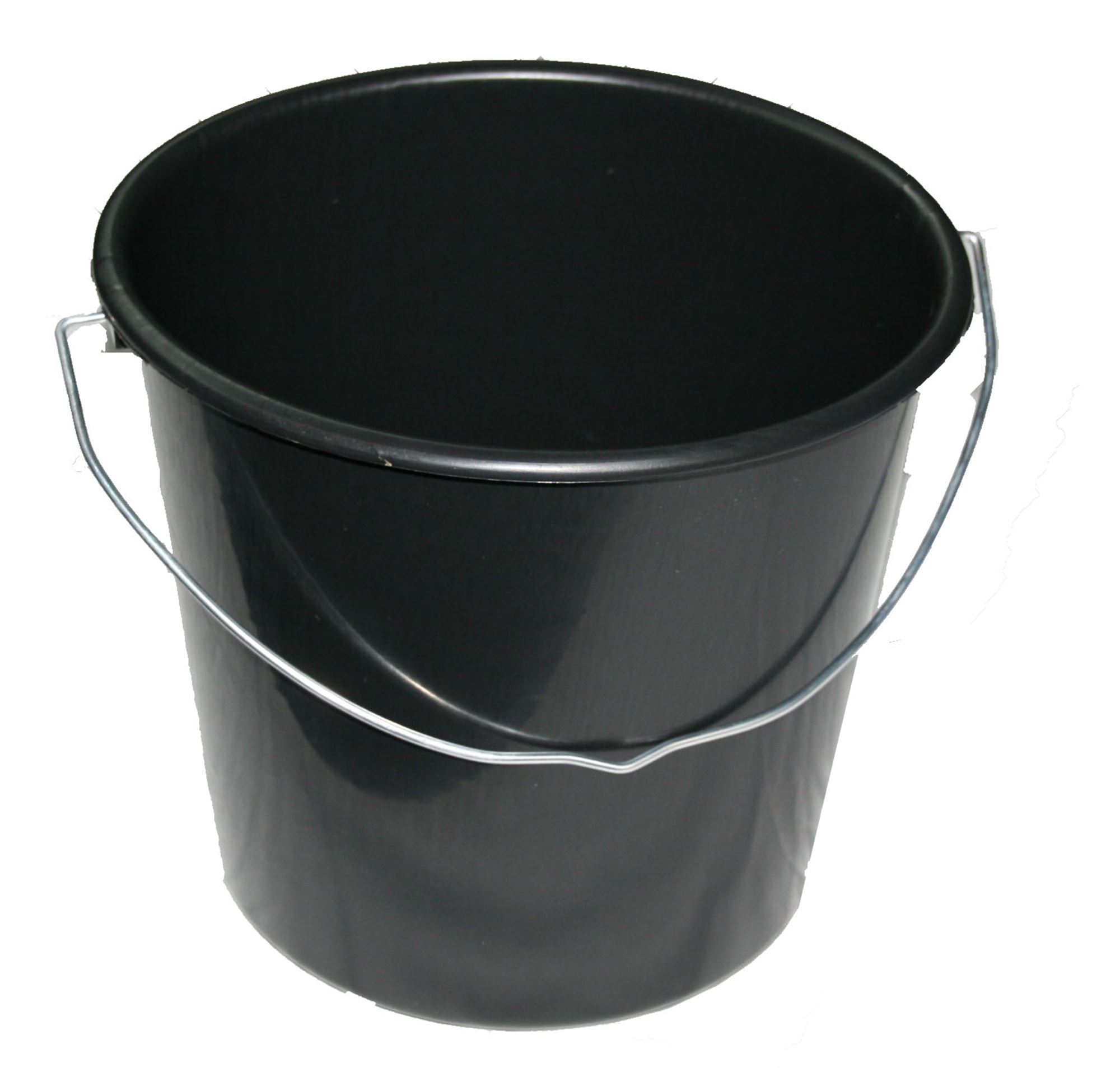
(a)(i) State five ways in which specimen H could be used in poultry production.
(ii) Mention two advantages of using specimen H in animal production
(iii) State two disadvantages of using specimen H in animal production.
Specimen I (Mercury in glass thermometer)

(b) Give one reason for using specimen I in the brooding of chicks
Specimen J (Ear tag)
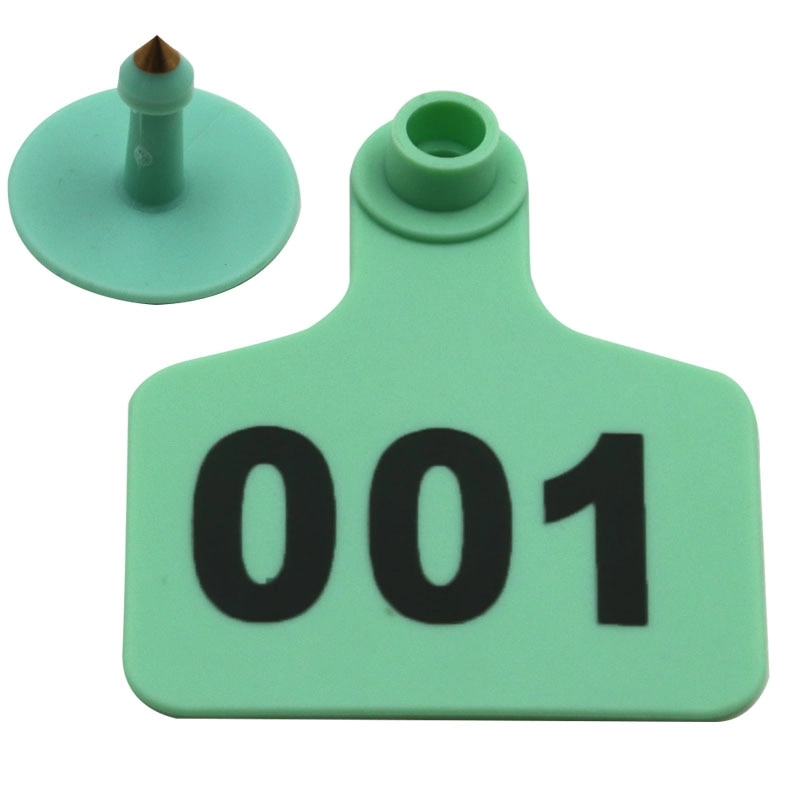
(c)(i) State two ways in which the use of specimen J is important in animal production.
(ii) Name three farm animals on which specimen J could be used.
Inscrivez-vous pour continuer
Créez un compte gratuit pour accéder à toutes les ressources d'apprentissage, aux questions d'entraînement et suivre votre progression.