Poultry Production
Übersicht
Walk through a poultry market in Kano and you will see white Leghorns destined for egg trays, heavy white Broilers destined for the pot, and small, tough local chickens that seem to need almost nothing to survive. Three different birds, three different jobs, and behind each one a farmer who chose that breed, that housing system and that feeding routine on purpose. Poultry production is the single most widely practised branch of animal husbandry in Nigeria, from the backyard flock scratching around a compound in Enugu to the thousand-bird deep-litter house outside Ibadan.
In this lesson you will learn to sort poultry into its classes by production purpose, name the breeds a Nigerian farmer actually keeps and what each is best at, compare the three systems used to house and manage a flock, follow an egg from the nest through incubation to hatch, track a chick through brooding, growing and laying, and finish at the point of sale, where a live bird becomes dressed meat or a graded egg.
Ziele
- Classify poultry into the various classes
- State the common breeds of poultry reared in Nigeria
- Distinguish between the systems of poultry management
- Explain the process of incubation in poultry production
- Explain the management practices in poultry production
- Explain the methods of processing poultry products
Lektionshinweis
Registrieren, um fortzufahren
Erstellen Sie ein kostenloses Konto, um auf alle Lernressourcen und Übungsfragen zuzugreifen und Ihren Fortschritt zu verfolgen.
Unterrichtsbewertung
Herzlichen Glückwunsch zum Abschluss der Lektion über Poultry Production. Jetzt, da Sie die wichtigsten Konzepte und Ideen erkundet haben,
Sie werden auf eine Mischung verschiedener Fragetypen stoßen, darunter Multiple-Choice-Fragen, Kurzantwortfragen und Aufsatzfragen. Jede Frage ist sorgfältig ausgearbeitet, um verschiedene Aspekte Ihres Wissens und Ihrer kritischen Denkfähigkeiten zu bewerten.
Nutzen Sie diesen Bewertungsteil als Gelegenheit, Ihr Verständnis des Themas zu festigen und Bereiche zu identifizieren, in denen Sie möglicherweise zusätzlichen Lernbedarf haben.
- Poultry reared mainly for egg production are classified as: A. Broilers B. Layers C. Dual-purpose birds D. Table birds Answer: B
- Which of these breeds is best known as a high-yielding egg-type breed with white plumage? A. Rhode Island Red B. Broiler C. White Leghorn D. Local chicken Answer: C
- The average incubation period for chicken eggs is: A. 14 days B. 18 days C. 21 days D. 28 days Answer: C
- In which system of poultry management are birds allowed to roam freely in search of food with little or no housing? A. Intensive system B. Semi-intensive system C. Extensive/free-range system D. Battery cage system Answer: C
- Dressing percentage in poultry processing is calculated as: A. Live weight divided by dressed weight B. Dressed weight divided by live weight, multiplied by 100 C. Feed intake divided by body weight D. Egg weight divided by shell weight Answer: B
Registrieren, um fortzufahren
Erstellen Sie ein kostenloses Konto, um auf alle Lernressourcen und Übungsfragen zuzugreifen und Ihren Fortschritt zu verfolgen.
Registrieren, um fortzufahren
Erstellen Sie ein kostenloses Konto, um auf alle Lernressourcen und Übungsfragen zuzugreifen und Ihren Fortschritt zu verfolgen.
Empfohlene Bücher

Frühere Fragen
Fragen Sie sich, wie frühere Prüfungsfragen zu diesem Thema aussehen? Hier sind n Fragen zu Poultry Production aus den vergangenen Jahren.
Frage 1 Bericht

Specimen H (Plastic bucket)

(a)(i) State five ways in which specimen H could be used in poultry production.
(ii) Mention two advantages of using specimen H in animal production
(iii) State two disadvantages of using specimen H in animal production.
Specimen I (Mercury in glass thermometer)

(b) Give one reason for using specimen I in the brooding of chicks
Specimen J (Ear tag)
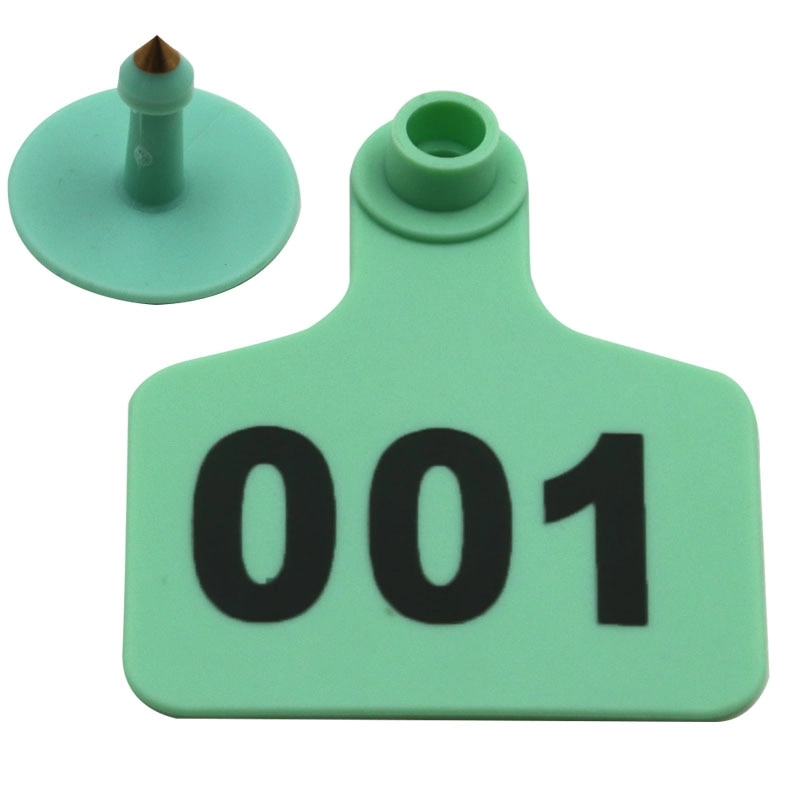
(c)(i) State two ways in which the use of specimen J is important in animal production.
(ii) Name three farm animals on which specimen J could be used.
Registrieren, um fortzufahren
Erstellen Sie ein kostenloses Konto, um auf alle Lernressourcen und Übungsfragen zuzugreifen und Ihren Fortschritt zu verfolgen.