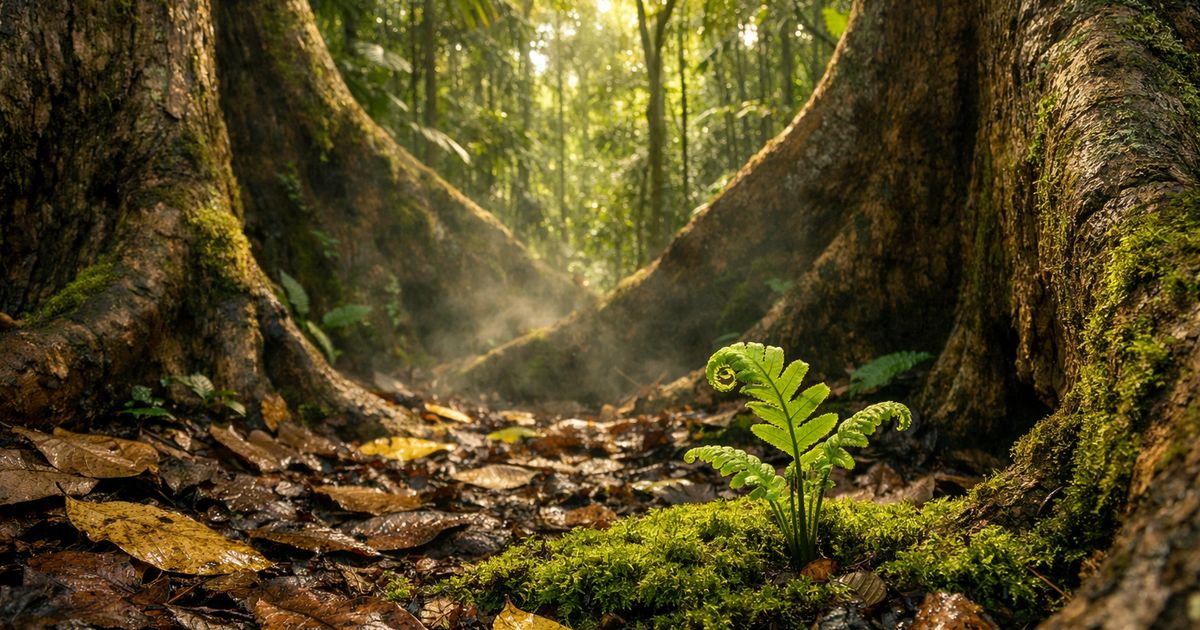
Imagine walking through a tropical rainforest and hearing dozens of bird calls you can't identify
Every rustle in the undergrowth is a different creature. Every tree trunk hosts ferns, mosses, orchids, and insects you've never seen before. Now imagine that same patch of forest five years later, cleared for cattle ranching. Silence. That contrast is the reason biodiversity management matters so much, and it's one of the most heavily tested areas in your Cambridge IGCSE Environmental Management (0680) exam.
If you've ever wondered why governments spend millions protecting species that most people will never see, or why a single coral reef matters to the whole planet, you're already asking the right questions. This guide will walk you through everything you need to know about managing biodiversity, from the core definitions to the conservation strategies examiners love to test.
Key Facts at a Glance
- Biodiversity exists at three levels: genetic diversity, species diversity, and ecosystem diversity.
- Tropical rainforests and coral reefs are the most biodiverse ecosystems on Earth.
- The main threats to biodiversity are habitat destruction, overexploitation, pollution, invasive species, and climate change.
- Conservation strategies fall into two broad categories: in-situ (protecting species in their natural habitat) and ex-situ (protecting species outside their natural habitat).
- The Convention on Biological Diversity (CBD) and CITES are the two international agreements you must know for the IGCSE exam.
- Sustainable management means using resources at a rate that allows natural systems to replenish themselves.
What Exactly Is Biodiversity?
You'll notice that exam mark schemes are very precise about this. Biodiversity is the variety of life in a particular area, measured at three distinct levels:
| Level | What It Means | Example |
|---|---|---|
| Genetic diversity | The range of genes within a single species | Different coat patterns in a population of leopards |
| Species diversity | The number of different species in an area | A coral reef hosting 500 fish species compared to a lake hosting 20 |
| Ecosystem diversity | The range of different habitats and ecosystems in a region | A country containing rainforest, mangrove, grassland, and freshwater wetland habitats |
All three levels matter. A forest might have thousands of species (high species diversity), but if a particular plant species has very little genetic variation, that species is vulnerable to disease. One infection could wipe out the entire population because there are no resistant individuals to survive and reproduce.
Why Does Biodiversity Matter?
This is a favourite topic for 4- and 6-mark questions, so you need a strong bank of reasons. Biodiversity matters for ecological, economic, and ethical reasons.
Ecological Reasons
Every species plays a role in its ecosystem. Pollinators like bees and butterflies enable flowering plants to reproduce. Decomposers such as fungi and bacteria recycle nutrients back into the soil. Predators control herbivore populations, preventing overgrazing. Remove one species and you can trigger a cascade of effects through the entire food web. Ecologists call these interconnected relationships "ecosystem services," and they include:
- Nutrient cycling and soil formation
- Water purification through wetland filtration
- Climate regulation through carbon storage in forests and oceans
- Flood control through healthy river and mangrove systems
- Pollination of crops and wild plants
Economic Reasons
Biodiversity underpins industries worth billions. Agriculture depends on genetic diversity to breed disease-resistant crops. Fisheries rely on healthy marine ecosystems. Ecotourism generates income for communities living near national parks and coral reefs. Many pharmaceuticals are derived from natural compounds found in plants, fungi, and marine organisms. Roughly a quarter of all modern medicines have origins in tropical forest species.
Ethical and Cultural Reasons
Many people argue that every species has an intrinsic right to exist, regardless of its usefulness to humans. Indigenous communities around the world have deep cultural and spiritual connections to local ecosystems. Biodiversity is also something we hold in trust for future generations. This idea of intergenerational responsibility sits at the heart of sustainable development.
Threats to Biodiversity
You need to know five major threats inside out, because they appear in almost every past paper. Let's work through each one.
1. Habitat Destruction
This is the single biggest driver of biodiversity loss worldwide. When forests are cleared for agriculture, wetlands are drained for construction, or grasslands are converted to monoculture plantations, the species that depended on those habitats lose their home. Tropical deforestation is particularly damaging because rainforests contain more species per square kilometre than any other terrestrial ecosystem.
Habitat fragmentation is a related problem. Even when patches of forest survive, they may be too small or too isolated from each other for species to move between them. Populations become cut off, reducing genetic diversity and increasing vulnerability to local extinction.
2. Overexploitation
Overexploitation means harvesting a species faster than it can reproduce. Overfishing has driven many commercial fish stocks to critically low levels. Illegal poaching threatens elephants (for ivory), rhinoceroses (for horn), and tigers (for body parts used in traditional medicine). Overexploitation also applies to plants: certain hardwood trees, medicinal herbs, and wild-harvested foods are being taken at unsustainable rates.
3. Pollution
Chemical pollutants disrupt ecosystems in multiple ways. Pesticides accumulate through food chains (a process called bioaccumulation), reaching toxic concentrations in top predators. Fertiliser runoff causes eutrophication in rivers and lakes, triggering algal blooms that deplete dissolved oxygen and suffocate aquatic life. Oil spills smother marine organisms and contaminate shorelines. Plastic pollution entangles wildlife and is ingested by seabirds, turtles, and fish.
4. Invasive Species
An invasive species is a non-native organism introduced to an ecosystem where it has no natural predators or competitors. Freed from the controls that kept its population in check at home, it can outcompete, prey upon, or spread disease to native species. Classic examples include the cane toad in Australia (introduced for pest control, now a pest itself) and the Nile perch in Lake Victoria (introduced for fishing, drove hundreds of native cichlid species toward extinction).
5. Climate Change
Rising temperatures, changing rainfall patterns, ocean acidification, and more frequent extreme weather events all put pressure on biodiversity. Coral reefs are especially vulnerable: even a 1-2 degree Celsius rise in sea temperature can trigger mass coral bleaching, as the corals expel the symbiotic algae they depend on for energy. Species that cannot migrate or adapt quickly enough face population decline or extinction.
| Threat | Primary Mechanism | Example |
|---|---|---|
| Habitat destruction | Loss of living space and resources | Deforestation of the Amazon for soybean farming |
| Overexploitation | Harvesting faster than reproduction | Overfishing of Atlantic cod |
| Pollution | Toxic contamination of habitats | Eutrophication from agricultural runoff |
| Invasive species | Outcompeting or preying on native species | Cane toad in Australia |
| Climate change | Altering temperature, rainfall, and ocean chemistry | Coral bleaching on the Great Barrier Reef |
Conservation Strategies: In-Situ vs Ex-Situ
This is the section that carries the most marks on exam papers, so give it your full attention. Conservation strategies are split into two categories based on where the protection happens.
In-Situ Conservation (On-Site)
In-situ conservation means protecting species in their natural habitat. It is generally considered the more effective approach because it preserves the whole ecosystem, not just individual species.
National parks and nature reserves. These are legally protected areas where human activities such as logging, hunting, and development are restricted or banned. They protect entire ecosystems, maintaining the habitat that species need. Examples include the Serengeti National Park in Tanzania and the Galapagos Marine Reserve in Ecuador.
Marine protected areas (MPAs). These work on the same principle as national parks but in the ocean. They restrict fishing, dredging, and pollution in designated zones, allowing fish stocks and coral reefs to recover.
Wildlife corridors. These are strips of habitat that connect fragmented areas, allowing animals to move between them. Corridors help maintain genetic diversity by enabling individuals from different populations to breed.
Legislation and law enforcement. Laws that ban hunting of endangered species, regulate logging, or limit pollution all contribute to in-situ conservation. Enforcement is critical: a law that isn't enforced offers no real protection.
Community-based conservation. Involving local communities in conservation efforts often produces better results than top-down approaches. When local people benefit economically from conservation (through ecotourism revenue or sustainable harvesting rights, for example), they have a direct incentive to protect the resource.
Ex-Situ Conservation (Off-Site)
Ex-situ conservation means protecting species outside their natural habitat. It acts as a safety net for species that are too endangered to survive in the wild without intervention.
Zoos and aquariums. Modern zoos run captive breeding programmes for endangered species. The goal is to maintain a genetically viable population that can eventually be reintroduced to the wild. Zoos also play a role in research and public education.
Botanical gardens. These maintain living collections of plant species, including many that are rare or threatened. They also carry out research on plant conservation and propagation techniques.
Seed banks. Facilities like the Svalbard Global Seed Vault store seeds from thousands of plant species under carefully controlled conditions. If a crop variety or wild plant species goes extinct in the field, its seeds can be retrieved and grown. Seed banks are a form of genetic insurance.
Captive breeding and reintroduction programmes. Species bred in captivity can be released back into restored or protected habitats. The Arabian oryx, once extinct in the wild, was successfully reintroduced to the deserts of Oman and Saudi Arabia through a captive breeding programme. The California condor is another success story.
| Feature | In-Situ Conservation | Ex-Situ Conservation |
|---|---|---|
| Where it happens | In the species' natural habitat | Outside the natural habitat (zoos, seed banks, botanical gardens) |
| What it protects | Whole ecosystems and species interactions | Individual species or genetic material |
| Key strength | Maintains natural behaviour and adaptation | Can save species on the brink of extinction |
| Key limitation | Vulnerable to poaching, climate change, and enforcement gaps | Small populations risk inbreeding; animals may lose survival skills |
| Examples | National parks, marine protected areas, wildlife corridors | Zoos, seed banks, captive breeding programmes |
International Agreements
Biodiversity is a global issue, so international cooperation is essential. Two agreements come up regularly in IGCSE Environmental Management exams.
The Convention on Biological Diversity (CBD)
Adopted at the Earth Summit in Rio de Janeiro in 1992, the CBD has three main objectives:
- The conservation of biological diversity.
- The sustainable use of its components.
- The fair and equitable sharing of benefits arising from the use of genetic resources.
Over 190 countries have ratified the CBD. It sets broad targets for reducing biodiversity loss, but enforcement depends on individual governments. Each country produces a National Biodiversity Strategy and Action Plan (NBSAP) outlining how it will meet its commitments.
CITES (Convention on International Trade in Endangered Species)
CITES regulates the international trade in wildlife and wildlife products. Species are listed in three appendices based on their conservation status:
- Appendix I: species threatened with extinction. Commercial trade is banned. (Examples: tigers, gorillas, sea turtles.)
- Appendix II: species not yet threatened but at risk if trade is not regulated. Trade is allowed with permits. (Examples: certain corals, orchids, and sharks.)
- Appendix III: species protected in at least one country that has asked other CITES parties for help controlling trade.
CITES is legally binding, meaning member countries must enforce its trade restrictions through national law.
Sustainable Management of Biodiversity
Sustainable management means using biological resources at a rate that allows populations and ecosystems to replenish themselves. The goal is to meet the needs of the present generation without compromising the ability of future generations to meet their own needs.
Sustainable Forestry
Selective logging (harvesting only certain trees while leaving others) is less damaging than clear-cutting. Replanting programmes ensure that harvested areas regenerate. Certification schemes such as the Forest Stewardship Council (FSC) label timber products that come from sustainably managed forests, helping consumers make informed choices.
Sustainable Fishing
Fishing quotas limit the total catch of a species in a given area, preventing overexploitation. Minimum mesh sizes on nets allow juvenile fish to escape and grow to breeding age. Seasonal fishing bans protect species during their spawning period. Marine protected areas act as nurseries where fish populations can recover before spilling over into surrounding fishing grounds.
Ecotourism
Ecotourism generates income from biodiversity without consuming it. Visitors pay to see wildlife, walk through forests, or dive on coral reefs. That revenue can fund conservation efforts and provide livelihoods for local communities, giving people an economic reason to protect rather than exploit their environment. Done well, ecotourism creates a positive feedback loop between conservation and local prosperity.
Agroforestry and Sustainable Agriculture
Agroforestry combines trees with crops or livestock on the same land. The trees provide shade, prevent soil erosion, fix nitrogen, and create habitat for wildlife. Crop rotation, organic farming, and integrated pest management all reduce the pressure that agriculture places on surrounding ecosystems.
Worked Example: A Typical Exam Question
Question: Explain why both in-situ and ex-situ conservation strategies are needed to manage biodiversity effectively. [6 marks]
Model Answer:
In-situ conservation, such as establishing national parks, protects entire ecosystems including all the species and ecological interactions within them (1 mark). Species in protected habitats maintain their natural behaviours and continue to adapt to their environment through natural selection (1 mark). However, in-situ methods alone may not be enough for critically endangered species whose populations are too small to survive in the wild (1 mark).
Ex-situ conservation, such as captive breeding programmes in zoos, can build up the numbers of a species from a very small population (1 mark). Seed banks preserve genetic material that would otherwise be lost if a species goes extinct in the wild (1 mark). The two approaches work together because ex-situ programmes can breed animals for reintroduction into in-situ protected areas, combining population recovery with habitat protection (1 mark).
Common Exam Mistakes to Avoid
- Defining biodiversity as just "the number of species." You need to include all three levels: genetic, species, and ecosystem diversity.
- Mixing up in-situ and ex-situ. In-situ means in the natural habitat. Ex-situ means outside it. A zoo is ex-situ. A national park is in-situ. Don't swap them.
- Giving vague reasons for why biodiversity matters. "Biodiversity is important" earns zero marks. Specify: ecological (ecosystem services, food webs), economic (agriculture, medicine, tourism), and ethical (intrinsic value, future generations).
- Forgetting to name specific international agreements. "Countries signed a treaty" is not enough. Write "CITES bans commercial trade in Appendix I species" or "the CBD was adopted in 1992 and aims to conserve biodiversity and promote sustainable use."
- Ignoring the link between threats and solutions. If a question describes a specific threat (such as overfishing), your proposed solution should directly address that threat (fishing quotas, minimum mesh sizes, marine protected areas), not a generic list of conservation methods.
- Treating conservation as only about animals. Plants, fungi, and microorganisms are just as important. Seed banks and botanical gardens exist for a reason. Make sure your answers reflect the full scope of biodiversity.
Self-Check Questions
Try answering each of these in two to four sentences before looking back through the article. If you can do that comfortably, you're in strong shape for the exam.
- Define biodiversity and explain the three levels at which it is measured.
- Give two ecological reasons and two economic reasons why biodiversity is important.
- Describe three major threats to biodiversity, giving a named example for each.
- Explain the difference between in-situ and ex-situ conservation, giving one example of each.
- What is CITES, and how does it help protect endangered species?
- Describe two methods of sustainable fishing and explain how each helps to conserve fish stocks.
- Why is habitat fragmentation a problem even when some habitat is left intact?
- Explain how ecotourism can contribute to biodiversity conservation.
Bringing It All Together
Managing biodiversity is one of the broadest topics in your IGCSE Environmental Management syllabus, but it follows a clear logic. Understand what biodiversity is (three levels). Know why it matters (ecological, economic, ethical). Learn the five major threats. Master the two categories of conservation (in-situ and ex-situ) and be able to compare them. Know your international agreements by name. And understand what sustainable management looks like in practice across forestry, fishing, tourism, and agriculture.
The exam rewards students who can connect these ideas. A question about deforestation might ask you to link habitat destruction to species loss, reduced genetic diversity, and the failure of ecosystem services. A question about coral reefs might ask you to connect climate change, ocean acidification, bleaching, tourism revenue loss, and the role of marine protected areas. Practice drawing these links, and you'll find that the marks come more easily than you expect.
Go back through the self-check questions above, and for any that gave you trouble, re-read the matching section. Your understanding of managing biodiversity will be one of the strongest tools in your IGCSE Environmental Management revision toolkit.

A thorough guide to managing biodiversity for IGCSE Environmental Management (0680), covering what biodiversity means, why it matters, the main threats, in-situ and ex-situ conservation strategies, key international agreements, and sustainable management approaches, with worked examples and self-check questions.




Kommentar(e)